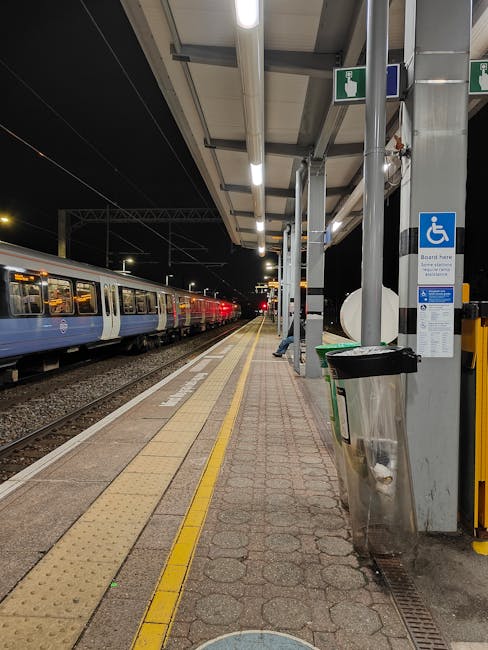
Timings and lift access for East Ham station removals
If you are planning a move near East Ham station, the small details can make a big difference. Timings and lift access for East Ham station removals are not just admin points to tick off; they shape how smoothly the whole day runs. A few minutes' delay getting into the building, or finding the lift is out of service, can ripple through the rest of the job. That is especially true around busy London roads, flats above shops, and station-adjacent properties where access can change fast.
In this guide, we break down how timing windows work, why lift access matters so much, what to tell your removal team in advance, and how to avoid the usual headaches. Whether you are moving from a flat, a student room, or a larger family property, the aim is simple: fewer surprises, less stress, and a move that feels organised rather than frantic. Truth be told, most problems are avoidable once the access plan is clear.
Why Timings and lift access for East Ham station removals Matters
Removal work near East Ham station tends to be more time-sensitive than many people expect. You are often dealing with busy streets, limited kerbside space, shared entrances, and residents coming and going at the same time. If your team cannot park close enough, if the lift is booked, or if the building only allows move-ins at certain times, the entire schedule can get squeezed.
That matters for a few reasons. First, labour time is being used while people wait, carry, or reroute. Second, heavy furniture and boxes are more awkward when you cannot move directly from door to vehicle. Third, delays can create a domino effect, especially if the removals are linked to a handover, storage drop-off, or same-day move. A move that starts late often feels longer than it really is. Funny how that works.
For people moving from flats, managed blocks, or shared buildings, lift access is often the deciding factor between a smooth shift and a tiring one. A lift can reduce manual carrying, protect walls and stairwells, and make the day less physically demanding. But only if it is available, large enough, and suitable for the items being moved. That is why a quick conversation in advance is worth its weight in gold.
If you are still comparing service options, it may help to look at the wider removal services in East Ham and the more tailored flat removals East Ham support for apartment moves. For people who want a hands-off approach, the guidance on packing your items and waiting for the team is also useful.
How Timings and lift access for East Ham station removals Works
The process is usually simpler than it sounds, but it does rely on clear information. At its heart, the team needs to know when they can arrive, how long they can stay, where they can park, and whether lifts or stair access will be available for the whole move. Once those basics are confirmed, the job can be planned properly.
1. Time window planning
Most removals run more smoothly when the arrival time is realistic and agreed in advance. For station-area jobs, that often means avoiding the noisiest or busiest moments where possible and allowing a little buffer for parking or building entry. Even a short wait at the front door can matter if the van needs to keep moving or if other bookings are tight later in the day.
2. Lift availability checks
Lift access is not just "yes or no". A good plan should cover whether the lift is passenger-only or suitable for light goods use, whether it is big enough for a sofa or mattress, and whether it needs to be reserved with building management. Some lifts are perfectly fine for boxes and smaller furniture, but not for bulky wardrobes or awkward items. In our experience, it is better to find this out before moving day, not when the mattress is already halfway through the corridor.
3. Access route mapping
The team should know the shortest safe route from property to van. That may sound obvious, but station-side properties sometimes have rear access, side entrances, gated courtyards, or shared hallways that make the route less straightforward. A clear route saves time and reduces the risk of knocks and scrapes.
4. Load strategy and sequencing
Once timing and lift access are understood, the order of loading matters. Heavier or more fragile items are often moved first, while smaller boxes fill gaps later. If the lift is available but small, the sequence changes again. This is where good planning really shows. It is not glamorous, but it works.
If you are arranging a larger home move, the approach described on house removals East Ham can help you understand how access and timing fit into a fuller relocation plan. For shorter, quicker jobs, a man with van East Ham service may be the better fit, particularly where flexibility is key.
Key Benefits and Practical Advantages
Getting timings and lift access right is not only about saving time. It changes the whole tone of the move. Here are the main benefits.
- Less carrying: A working lift means fewer trips up and down stairs, which is kinder on both the team and your belongings.
- Lower damage risk: Fewer turns in tight stairwells means fewer scuffs, dents, and accidental bumps.
- Better predictability: When the access plan is clear, the schedule is easier to trust.
- Improved safety: Heavy items are easier to manage when the route is direct and not interrupted by stair traffic.
- More efficient costs: Less waiting and less unnecessary labour time can make the move better value overall.
There is also a quieter benefit that people tend to notice after the fact: the move feels calmer. No one likes watching a team juggle a sofa while someone else is trying to hold a lift open and answer a phone call at the same time. The day runs better when the little things are sorted.
For fragile, awkward, or specialist items, timing matters even more. A piano, for example, is not something you want to rush through a narrow access route. The advice in piano removals East Ham and the guide on why piano moving is best left to experts both reflect the same idea: specialist items need specialist planning.
Who This Is For and When It Makes Sense
This topic matters to more people than you might think. It is not only for large families or full house moves. Station-area access planning can be useful for:
- people moving in or out of flats above shops
- students with limited time between tenancies
- landlords arranging tenant changeovers
- office teams relocating from compact premises
- households with bulky furniture or tight stair access
- anyone booking a same-day or short-notice move
If you live close to East Ham station, chances are your move involves at least one constraint. Maybe you have a narrow entrance. Maybe the lift is shared and slow. Maybe the loading bay is small, or the road outside is busy at school run time. That is normal. It just means the plan needs to be a bit sharper than average.
Students, in particular, often underestimate how much access can affect speed. A few boxes are fine; then suddenly there is a bed base, a desk, and a suitcase that does not fit neatly down the stairs. If that sounds familiar, student removals East Ham can be a useful next stop.
Likewise, if you are moving furniture only, perhaps from a storage room or between properties, the dedicated furniture removals East Ham page gives a better sense of what can be handled safely and efficiently.
Step-by-Step Guidance
Here is a practical way to organise the move so timings and lift access are not left to chance.
- Confirm your building rules early. Ask whether there are moving hours, lift booking requirements, or restrictions on noisy work. Even if the answer seems obvious, get it in writing if you can.
- Measure key items. Check the dimensions of sofas, mattresses, wardrobes, and appliances. A lift that seems "big enough" sometimes is not, once a mattress is turned on its edge.
- Tell the removal team about parking. Share whether the vehicle can stop close to the entrance, or whether there is a walk from the nearest legal parking spot.
- Share floor and lift details. Number of floors, lift size, lift type, and whether it is working on the day all affect the plan.
- Pack with access in mind. Put small, heavy boxes together, and keep essential items easy to reach. That way the team is not hunting for the kettle at the bottom of a random box mountain.
- Build a time buffer. If the building only allows a certain slot, leave yourself a little breathing room before and after. Everything gets easier when there is margin.
- Reconfirm the day before. A quick check on lift status, parking arrangements, and entry instructions can save a lot of hassle.
If you want a more relaxed preparation flow, the article on achieving a relaxed house move amid life's chaos is a good companion read. And if packing itself is the bit causing the most dread, the guide on packing essentials for a low-stress move is genuinely practical.
Expert Tips for Better Results
A few small choices can improve the whole day. These are the habits that tend to make station-area removals smoother.
Keep one person "on access duty". If there is a building manager, concierge, or neighbour involved, make sure one person is responsible for speaking to them. Too many people trying to coordinate the same lift booking can create confusion fast.
Use the lift intelligently. If the lift is small, prioritise boxes and lighter furniture pieces. Save awkward items for the best moment in the run, not when everyone is tired. That sounds simple. It is simple. But it gets missed surprisingly often.
Protect the building as well as your items. Door frames, lift walls, and hallway corners are the bits that usually take the brunt of the movement. Good padding and careful handling matter. The team's pace should be steady, not rushed.
Declutter before move day. Fewer items mean less time in the lift, less carrying, and less sorting at the other end. The guide on decluttering like a pro for a smooth and easy move is worth reading if you are in the "why do I own three spare lamps?" stage.
Prepare awkward items separately. Long mirrors, bed frames, and appliances deserve more attention. For beds and mattresses, see your guide to navigating a bed and mattress move. For larger sofas, the piece on long-lasting sofa care and storage techniques can help with handling and protection.
Common Mistakes to Avoid
Most access problems come from assumptions. That is the awkward truth of it.
- Assuming the lift will be free. A lift may be shared, booked, or temporarily out of service.
- Not checking item dimensions. A sofa that looks manageable in the lounge can become impossible at the lift door.
- Forgetting parking limits. If the van cannot park near enough, the whole move slows down.
- Ignoring building notices. Some blocks have specific moving windows. Missing them can mean waiting around or rescheduling.
- Packing too late. A half-packed flat on moving morning is stressful and inefficient.
- Not telling the team about stairs as backup. Even with a lift, there should be a backup plan if it fails.
One practical observation: people often focus on what the van can carry, but the real bottleneck is access. If the route from the flat to the van is awkward, even a small load can take longer than expected. So yes, measure the van idea. But measure the path too.
Tools, Resources and Recommendations
You do not need a complicated toolkit, just a sensible one. For most removals near East Ham station, the helpful bits are straightforward:
- sturdy boxes in a few different sizes
- packing tape and labels
- protective wrapping for fragile items
- blankets or covers for furniture
- basic measuring tape for lifts, doorways, and large items
- clear notes on access times and building contact details
If you are handling packing yourself, the dedicated packing and boxes East Ham page is a good place to start. If you prefer a more guided approach, the move can be coordinated through man and van East Ham or the broader removals East Ham options depending on the size of the job.
For urgent schedules, the article on same-day East Ham removals is helpful because timing pressure changes the planning conversation quite a bit. And if delivery timing matters at the other end, you may also find delivery at the best time for you reassuring.
Law, Compliance, Standards, or Best Practice
For most people, the main concern is not legal complexity but practical best practice. Still, there are a few standards worth bearing in mind. Removal work should be carried out safely, with sensible manual handling and care around shared spaces. In the UK, manual handling expectations generally centre on reducing avoidable strain, planning lifts properly, and using equipment where appropriate. That sounds dry, but in real life it means not overloading people, not rushing awkward carries, and not pretending a wardrobe will suddenly become lighter if you just believe in it hard enough.
Building rules also matter. Many apartment blocks and managed properties set their own moving procedures, and those should be followed. The same goes for insurance awareness: if you are moving valuable, fragile, or high-risk items, you want to know what is covered and what needs extra care. The pages on insurance and safety and the company health and safety policy give a clearer sense of how a professional setup approaches this.
Best practice also includes communication. Confirm the access route, lift reservations, and any timing restrictions before the day. If storage is part of the plan, it helps to sort that early too. The local storage East Ham page can be useful when you are splitting a move across more than one day.
Options, Methods, or Comparison Table
Not every move needs the same method. The right choice depends on timing, lift access, volume, and how much help you want. Here is a simple comparison.
| Approach | Best for | Strengths | Possible drawbacks |
|---|---|---|---|
| Lift-assisted flat move | Managed buildings with working lifts | Faster, less strain, easier on furniture | Depends on lift size and booking rules |
| Stair-only move | Smaller jobs or buildings without lift access | Works when lift access is unavailable | Slower, more physical, greater risk of scuffs |
| Man and van service | Flexible, smaller or medium moves | Good for quick timing and local routes | May need extra coordination in busy areas |
| Full removal service | Larger homes or more complex logistics | More support, better for bulky loads | Needs fuller planning and may take longer to book |
To be fair, many moves end up using a mix of methods. A lift for boxes, stairs for one awkward item, then a van load, then maybe storage for overflow. That is not messy. It is just real life.
Case Study or Real-World Example
Here is a realistic example from the kind of move we often see around East Ham station. A couple moving from a second-floor flat needed to leave by midday because keys were being handed over later that afternoon. The building had a lift, but it was shared and could only be reserved for a short window. On paper, the job looked straightforward. In practice, it needed a bit of thought.
They measured the sofa and mattress ahead of time, packed boxes by room, and confirmed the lift booking the day before. The van was able to stop close enough to the entrance for quick loading, which made a noticeable difference. There was one small snag: the lift briefly paused during the move because another resident needed it. Nothing dramatic, just one of those London building moments. Because the schedule included a buffer, the team kept calm and finished without turning the day into a scramble.
The lesson was simple. Access planning was not an extra step; it was the move. Without the timing buffer and lift booking, the whole thing would have felt much tighter. With it, the day stayed controlled and manageable. Not perfect. Just smooth enough to breathe.
Practical Checklist
Use this checklist a day or two before the move. It saves time, honestly.
- Confirm the moving time window
- Check whether the lift is working and bookable
- Measure large furniture and appliance dimensions
- Share parking instructions and any loading restrictions
- Tell the team about stairs, narrow corridors, or gated access
- Pack fragile items separately
- Label boxes by room and priority
- Keep keys, building passes, and contact numbers handy
- Prepare a backup plan if the lift is unavailable
- Set aside essentials for the first night
And one more small thing: make sure the kettle is easy to find. You will thank yourself later.
Conclusion
Timings and lift access for East Ham station removals can look like small details on a booking form, but they are often the difference between a tidy, efficient move and a day that feels constantly interrupted. When you know the access route, the lift situation, the building rules, and the realistic time window, everything becomes easier to manage.
That is especially true in busy East Ham locations where shared entrances, limited parking, and compact flats can complicate even straightforward jobs. Good planning reduces strain, protects your belongings, and gives everyone a calmer pace to work at. And really, that calmer pace is worth a lot.
If you are preparing a move and want the access, timing, and logistics handled with care, start by reviewing the relevant service information, then speak with the team early so the day is set up properly from the beginning.
Get a free quote today and see how much you can save.
When a move is well planned, it stops feeling like a rush and starts feeling like progress. That is the bit people remember.
Frequently Asked Questions
What does lift access actually mean for a removal?
Lift access means the removal team can use a building lift to move items between floors instead of carrying everything by stairs. It can save time, reduce strain, and lower the chance of damage, but only if the lift is suitable and available.
Do I need to book the lift before moving day?
In many apartment buildings, yes. Some lifts need to be reserved through building management or the concierge. Even when booking is not mandatory, it is still wise to confirm availability so there are no delays on the day.
How much does timing affect a move near East Ham station?
A lot more than people expect. If you are working around parking limits, lift schedules, or building access hours, a small timing issue can quickly become a larger delay. That is why a realistic arrival window matters.
What if the lift is out of order on the day?
A backup plan is essential. The team may need to use the stairs, adjust the load order, or change the schedule slightly. Let the removal company know in advance if stairs are the only fallback option.
Can a sofa or mattress fit in a standard lift?
Sometimes yes, sometimes no. It depends on the lift dimensions, the shape of the item, and whether it can be safely turned or angled. Measuring both the item and the lift before moving day is the sensible approach.
Are station-area removals more difficult than other local moves?
Usually they are more access-sensitive. Busy roads, limited parking, shared entrances, and apartment blocks can make the move more time-dependent. That does not mean difficult, just more dependent on planning.
What should I tell the removal team before the move?
Share the move time, floor level, lift availability, parking details, any entry codes, and whether there are narrow stairs or tight hallways. The more accurate the access details, the smoother the day tends to be.
Is a man and van service enough for a flat near East Ham station?
It can be, especially for smaller or medium-sized moves. If the property is compact and the access is straightforward, a flexible service may be a good fit. For larger homes or more complex jobs, a fuller removal service is often better.
What items are most affected by poor lift access?
Bulky furniture, mattresses, wardrobes, appliances, and delicate items all suffer when access is awkward. The more awkward the item, the more important it is to have a clean route and enough time.
How can I avoid delays on moving day?
Confirm the access plan early, pack in advance, check lift booking rules, keep parking arrangements clear, and allow a time buffer. That combination solves most of the problems people run into, even the annoying little ones.
Does storage help if timing does not line up?
Yes, storage can be a practical bridge if key collection, handover timing, or lift availability does not line up neatly. It gives you more flexibility and can take pressure off the moving day itself.
What is the best next step if I am unsure about access?
Gather the building details, measure the bulky items, and speak to the removals team early. If you need help choosing the right service, the local East Ham pages and contact options are a good place to start, because a quick conversation can clear up a lot before it turns into a problem.