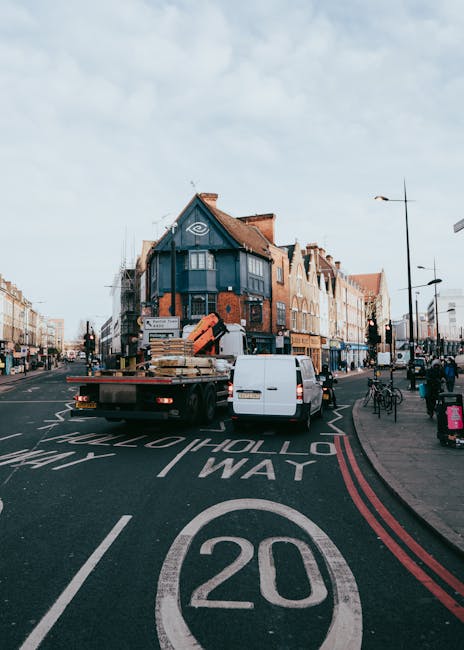
Green Street East Ham man and van pickup zone tips
If you are planning a local move, furniture collection, or quick drop-off around Green Street in East Ham, the pickup zone can make or break the job. A good stop saves time, keeps everyone safer, and stops that awkward moment where the van is half in traffic and half in someone's way. These Green Street East Ham man and van pickup zone tips are built to help you load quickly, avoid common access headaches, and get the job done without unnecessary stress.
Truth be told, the street layout, delivery traffic, parked cars, and school-run pressure can all change the experience from one hour to the next. So below, you will find practical guidance on where pickup works best, how to prepare, what to avoid, and how to make the most of a man and van booking in this busy part of East Ham.
Table of Contents
- Why Green Street East Ham man and van pickup zone tips Matters
- How Green Street East Ham man and van pickup zone tips Works
- Key Benefits and Practical Advantages
- Who This Is For and When It Makes Sense
- Step-by-Step Guidance
- Expert Tips for Better Results
- Common Mistakes to Avoid
- Tools, Resources and Recommendations
- Law, Compliance, Standards, or Best Practice
- Options, Methods, or Comparison Table
- Case Study or Real-World Example
- Practical Checklist
- Conclusion
- Frequently Asked Questions
Why Green Street East Ham man and van pickup zone tips Matters
Green Street is a busy, practical, everyday London road. That sounds obvious, but it matters more than people expect when a van needs to stop, load, and leave. A pickup zone is not just "somewhere to park for a minute." It is the difference between a tidy, efficient move and a slow, frustrating scramble around double yellows, bins, pedestrians, and other vehicles.
For man and van work, the pickup point affects almost everything: how far items need to be carried, whether the van can stop safely, how quickly the team can work, and whether the move stays within the booked time. If you are moving a sofa, collecting a marketplace purchase, or shifting office stock, a poor stop can add delays very quickly. And nobody wants to drag a wardrobe an extra half a street because the first spot was blocked by a delivery van. Nobody.
There is also a trust angle here. When a customer knows the pickup zone in advance, they can give clearer instructions, manage neighbours, prepare access, and reduce the risk of missed timings. In a busy area like East Ham, that kind of planning is not overkill. It is simply smart.
Practical takeaway: the best pickup zone is usually the one that balances safety, legal stopping space, walking distance, and ease of access for loading. Shorter isn't always better if it creates risk or delays.
If you want to understand the broader service side as well, it helps to look at the wider man and van service and the range of removal services available for different job sizes.
How Green Street East Ham man and van pickup zone tips Works
At a simple level, the process is about choosing a pickup point where the van can stop long enough to load items safely and efficiently. In practice, the details matter. Green Street can be busy with pedestrians, local shops, busier side roads, deliveries, and the usual London rhythm of vehicles arriving at the same time. So the "best" spot often changes by time of day.
Most man and van pickups work best when the customer and driver agree on three things before arrival: the exact street side or nearby loading point, how long the stop should take, and whether anything large needs to be carried over steps, around corners, or through a narrow entryway. Simple, but it saves hassle.
In many cases, the van will need to pull into a legal and safe stopping point first, then the loading starts immediately. If the stop is too tight, the team may need to park slightly further away and use trolleys, extra lifting care, or a second carry route. That is why a pickup zone is really a planning choice, not just a parking choice.
You may also notice that peak times matter a lot. Early morning can sometimes be calmer. Late afternoon can be awkward. Weekend shopping traffic is its own thing altogether. If you are moving from a flat or collecting furniture, one small change in timing can make the whole experience smoother.
For local moves that need fast turnaround, services like same-day removals can be useful, but only if the access plan is realistic. Speed and access go together. If one falls apart, the other does too.
Key Benefits and Practical Advantages
Getting the pickup zone right has a few clear benefits that are easy to feel on the day. The first is time saving. If the van can get close to the entrance or collection point, loading is faster. Less walking, fewer pauses, fewer chances for something to get damaged. That one's straightforward.
The second is reduced strain. Moving heavy items over longer distances, or through awkward gaps, increases the physical effort for everyone involved. A good pickup zone cuts that down. It is especially helpful for bulky furniture, boxed household items, or awkward pieces like mattresses and appliances.
The third is better control. When access is planned, the job feels calmer. You are not improvising around traffic or guessing where the van should stop. That helps the move stay organised, which is important whether you are moving one item or an entire flat.
There is also a small but real cost benefit. Less delay usually means better use of booked time, and that can matter when you are trying to keep a move within budget. If you are comparing options, it may be worth reviewing the provider's pricing and quotes page early, so the access assumptions are clear before the job starts.
- Faster loading and unloading
- Lower risk of damage during carrying
- Less physical strain for everyone
- Fewer timing delays
- Better use of the booked slot
- Clearer communication with the driver
Who This Is For and When It Makes Sense
These tips are useful for anyone using a van pickup around Green Street, but some people will benefit more than others. If you are collecting a sofa from a seller, moving into a nearby flat, or shifting stock for a small business, access planning is probably worth more than you think. Honestly, it often gets overlooked until the van has arrived and everyone is standing there with a coffee and a slightly worried face.
This is especially relevant if:
- you live in a flat or maisonette with tight stair access
- you are moving furniture that needs two people to carry
- your street has limited stopping space
- you expect a fast turnaround and want to avoid wasted time
- you are collecting from a shop, seller, or warehouse-style location nearby
- you are arranging a family move and want fewer moving-day surprises
It also makes sense for anyone dealing with special items. A piano, antique cabinet, or large wardrobe needs more thoughtful positioning than a couple of boxed bags. If that sounds familiar, specialist pages like piano removals and furniture removals may be more relevant than a general pick-up job.
To be fair, even a straightforward collection can become awkward if the loading point is badly chosen. That is why a quick access plan is useful even for smaller jobs.
Step-by-Step Guidance
Here is a practical way to plan a pickup around Green Street without overthinking it. Keep it simple, but do not wing it.
1. Check the exact item list
Before the van arrives, write down exactly what is being moved or collected. A single chair is one thing. A chair, side table, mirror, and three boxes is another. The item list helps the driver judge vehicle size, load time, and how close the van needs to get.
2. Identify the best nearby stop
Look for the safest legal stopping point with the shortest sensible carry distance. You want enough room to load without blocking traffic or creating a hazard. Sometimes that is directly outside the address. Sometimes it is a side street or nearby loading-friendly spot. The "closest" point is not always the best point.
3. Check access at the property
Ask yourself: are there stairs, a narrow hallway, a buzzer entry, a lift, or a locked door? What about height restrictions, railings, or tight turns? These details sound small, but they shape the pickup flow more than most people expect.
4. Time the job realistically
Loading at 8:30am can feel very different from 3:30pm. If the street is usually busy then, it is worth allowing extra time. A little buffer can save a lot of stress. And yes, sometimes the road behaves perfectly. But most of the time, it has other ideas.
5. Prepare the items before the van arrives
Keep boxes sealed, label anything fragile, and make sure pathways are clear. If the pickup point is ready but the items are still scattered around the home, the van loses time while everyone waits. That is one of the easiest delays to avoid.
6. Agree the loading plan with the driver
When the driver arrives, confirm the route from the property to the van, where to place large items first, and whether anything should be dismantled or wrapped. A short conversation upfront usually prevents a lot of back-and-forth later.
7. Re-check the exit plan
Once loading begins, think one step ahead. Is the van clear to leave, or is another vehicle likely to block it? Will there be a need to move a car, bin, or cycle? A clean exit matters almost as much as a clean arrival.
Expert Tips for Better Results
Small refinements often make the biggest difference. After enough local moves, you start noticing patterns. The streets that work smoothly usually have a few things in common: clear communication, realistic timings, and a backup plan when the first stop is occupied.
One useful tactic is to choose the pickup point based on carrying distance rather than just the postcode. A slightly longer walk on a calmer side street can be better than stopping directly outside a busy frontage and losing ten minutes to traffic pressure. That trade-off catches people out all the time.
Another tip: use the quietest window you can. If you have flexibility, avoid the most congested times around school runs, delivery peaks, or local shopping rushes. You do not need a perfect time. Just a less awkward one.
It also helps to keep one person free to manage the doorway or street side while the others load. That person can watch for pedestrians, answer the intercom, or direct the van if the stopping position needs a small adjustment. Very low-tech. Very useful.
Here are a few more practical points that often get missed:
- Have keys, fobs, and access codes ready before arrival.
- Protect sofas and tables if the route passes kerbs or rough paving.
- Move pets, children, and loose clutter away from the carry path.
- Take photos of fragile items before the move if you want a record of condition.
- Keep one bag of essentials separate so it does not disappear into the van.
And if you are organising a flat move rather than a simple pickup, it is worth reading more about flat removals and home moves so the access plan matches the scale of the job.
Common Mistakes to Avoid
The biggest mistake is assuming the van can just "pull up anywhere for a minute." In a busy East Ham street, that assumption can lead to delays, complaints, or a rushed load. It sounds minor until you are standing by a sofa with no safe place to stop. Then it is suddenly not minor at all.
Another common issue is underestimating walking distance. A pickup point that seems fine when you are carrying a small bag can become exhausting with a mattress or washing machine. If the item is heavy, bulky, or awkwardly shaped, test the route in your head before you agree to it.
People also forget to tell the driver about obstacles. A flight of stairs, a broken lift, a narrow gate, or a low wall can change the whole approach. The move may still be fine, but only if it is planned for properly.
Other errors include:
- booking too tightly and leaving no buffer for access delays
- ignoring peak traffic or local busy periods
- not clearing the entrance before the van arrives
- assuming every van size fits every street
- forgetting that neighbours and pedestrians still need space
There is also a cost trap worth mentioning. If access is harder than expected, the job can take longer than planned. That may affect the quote or at least the efficiency of the booking. A little planning upfront can prevent that. If you are checking the fine print, the provider's terms and conditions and insurance and safety information are sensible places to look.
Tools, Resources and Recommendations
You do not need a kit bag full of gadgets for a pickup to go well, but a few basic tools and prep items help more than people think. Think practical, not fancy.
| Tool or resource | Why it helps | Best use case |
|---|---|---|
| Protective blankets | Reduces scuffs and knocks | Sofas, tables, cabinets |
| Moving straps | Improves grip on heavy items | Stairs, tight turns, bulky objects |
| Trolley or sack truck | Speeds up long carry distances | Longer walks to the van |
| Labels and marker pen | Keeps load organised | Mixed household or business items |
| Phone torch | Useful in dim hallways or early starts | Basements, evening pickups, storage access |
If you are packing items yourself, the right boxes matter too. The pages on packing and boxes and packing and unpacking services can help if you want a neater, faster load-out.
For bigger jobs, the vehicle matters just as much as the route. A small van can be ideal for a narrow street, but a larger one may be better if you are moving more volume and can access the pickup point safely. If you are unsure, the general removals page is a useful starting point, especially when the job is more than a quick collection.
Law, Compliance, Standards, or Best Practice
Any pickup zone planning should stay within normal UK road safety and parking expectations. You should not block driveways, obstruct pedestrians, create a hazard for other road users, or assume that a temporary stop is acceptable if it clearly causes a problem. Local rules can vary by street, and enforcement can be strict in busy areas, so caution is the sensible approach.
It is also good practice to check whether the chosen stop works for loading without forcing the driver into risky manoeuvres. A responsible man and van operator will usually avoid unsafe or impractical stopping positions, even if it means walking a bit further. That is not awkwardness. That is professionalism.
For larger moves, careful handling is part of the job, especially with heavy, fragile, or high-value items. Basic safety expectations include using the right lifting technique, protecting items from damage, and making sure the load is secured properly in transit. If anything feels uncertain, ask. A decent provider should be happy to explain how they approach safety.
If you want a clearer sense of provider standards and responsibilities, the site's health and safety policy and complaints procedure pages can be useful background reading. It is boring in the best possible way. Which is exactly what you want from safety paperwork.
Also, if the move involves reuse, disposal, or unwanted items, it is worth checking arrangements in advance rather than leaving it to chance. Responsible handling matters, and so does not creating avoidable waste.
Options, Methods, or Comparison Table
There is more than one way to handle a pickup around Green Street. The right choice depends on the item size, street access, and how much time you have. Here is a simple comparison that may help.
| Method | Best for | Pros | Watch out for |
|---|---|---|---|
| Direct curbside pickup | Open streets with safe stopping space | Fastest loading, least carrying | Can be blocked by traffic or parking pressure |
| Nearby side-street pickup | Busy main-road stretches | Often calmer and safer | Longer carry distance |
| Doorstep loading with helper | Smaller flats and light furniture | Simple and efficient | Needs clear access and cooperation |
| Staged loading with trolley | Longer carries or heavier items | Reduces strain and improves control | Slower if not planned well |
In most cases, a side-street or quieter nearby stop can be the smartest compromise. Direct outside access looks ideal, but in real life it may be too tight. You want the move to feel calm, not theatrical.
If the job is business-related, you may also want to compare it against dedicated commercial moves or office removals if stock, displays, or office equipment are involved.
Case Study or Real-World Example
Here is a realistic local scenario. A customer needs a two-seater sofa and a few boxes collected from near Green Street and delivered a short distance across East Ham. The first instinct is to have the van stop right outside the property. Simple enough. But the street is busy, there are parked cars on one side, and a delivery vehicle is already lingering nearby. So the stop shifts to a calmer side road within a short carry distance.
That small change makes the job easier. The driver can park safely, the sofa can be carried without weaving between cars, and the loading happens without rush. The customer has already cleared the hallway, the boxes are labelled, and a second person is ready at the doorway. No drama. No last-minute scrambling. Just a tidy move.
Now imagine the alternative. If the van had waited outside the front entrance for too long, it might have blocked traffic, attracted complaints, or forced a rushed load. The difference is not huge on paper, but on the day it matters a lot. You can almost hear it in the tone of voice. Less sighing, more done-and-dusted.
This is also why local knowledge helps. A team that understands East Ham streets, loading constraints, and timing pressure can make better decisions quickly. If you are comparing options for a smaller collection, checking services like furniture pick up and man with van can help you match the service to the job.
Practical Checklist
Use this checklist before the van arrives. It keeps things grounded and saves avoidable stress.
- Confirm the exact pickup address and entrance
- Agree the best nearby stopping point
- Check whether the van needs extra carry space
- Clear hallways, stairs, and doorways
- Separate fragile items and label them clearly
- Keep keys, buzzer access, and contact details ready
- Allow time for traffic or parking delays
- Move cars, bins, bikes, or anything that blocks access
- Tell the driver about stairs, lifts, or tight turns
- Have a backup pickup point in mind, just in case
That last point matters more than people think. A backup plan sounds a bit cautious until the first spot is occupied. Then it feels very sensible indeed.
Conclusion
Green Street East Ham man and van pickup zone tips are really about one thing: making the move easier before the van even stops. A sensible pickup point, a clear loading route, and a little local awareness can save time, reduce stress, and make the whole job feel more controlled.
Whether you are collecting a single item or organising a more involved local move, the formula is the same. Plan the stopping point, keep access simple, communicate early, and leave a small buffer for the realities of London streets. That is how you avoid the awkward, rushed version of the day and get the smooth one instead.
Get a free quote today and see how much you can save.
And if you are still weighing up service options, it is worth exploring the company's wider approach to removal companies, house removals, or even student removals depending on what you actually need. A well-planned pickup is a small thing, but it can make the whole day feel lighter. Which, in moving terms, is a lovely result.
Frequently Asked Questions
What is the best pickup zone for a man and van on Green Street in East Ham?
The best pickup zone is usually the safest legal stop with the shortest practical carry distance. On a busy road, that might be a nearby side street rather than the front door.
How do I know if the van can stop outside my property?
Check for parking restrictions, traffic flow, and whether there is enough space for the van to stop without blocking access. If you are unsure, choose a fallback spot nearby.
Should I book extra time for a Green Street pickup?
Yes, if access may be tight or the street is likely to be busy. A small buffer helps protect the booking from delays caused by traffic, parking, or carrying distance.
Is it better to choose a side street instead of the main road?
Often, yes. A quieter side street can be safer and easier for loading, even if it means a slightly longer walk with the item.
What should I do before the van arrives?
Clear the route, pack items properly, and make sure keys, access codes, and contact details are ready. You want the loading to start immediately, not after a search for the front-door fob.
Can I use a man and van for one large item only?
Absolutely. A sofa, wardrobe, fridge, or similar single item is a very common reason to book a van. Just explain the item size and access conditions in advance.
What if my building has stairs or no lift?
Tell the provider before booking. Stairs affect load time and may change the equipment or team needed. It is much better to mention it early than at the door.
Do I need to arrange parking myself?
That depends on the provider and the street. At the very least, you should help identify a safe, practical stopping point. Good communication is usually enough for most local jobs.
How can I reduce the chance of damage during pickup?
Use protective wrapping, clear the carrying route, and make sure items are stacked and labelled properly. Fragile pieces should be separated and handled first or last, depending on the load plan.
Are weekend pickups harder around Green Street?
They can be. Weekend traffic and local activity may make access slower or less predictable, so it is sensible to allow more time and plan the pickup point carefully.
What if the first pickup spot is blocked when the van arrives?
Have a backup location ready nearby. A second option keeps the job moving instead of leaving everyone waiting while the driver circles the block.
How do I choose the right service for my move?
If it is a small collection, a standard man and van may be ideal. If you are moving a whole property, look at broader removal options. The right match depends on volume, access, and timing, not just price alone.