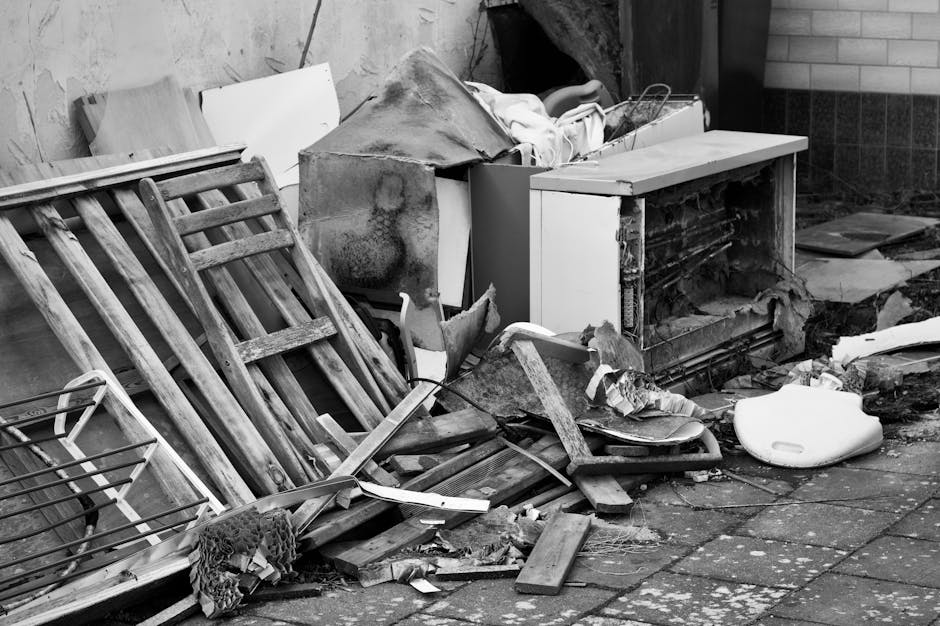
Bulky Waste Rules East Ham Removals Newham Council Fines: What You Need to Know Before You Put Anything on the Kerb
If you are sorting a clearance in East Ham, one wrong move with bulky waste can turn a simple tidy-up into a headache. The rules around Bulky waste rules East Ham removals Newham Council fines matter because bulky items are not the same as ordinary household rubbish. A sofa left beside the bins, a mattress dumped after a move, or a fridge put out on the wrong day can all lead to problems you really do not want.
This guide explains the local risks, the sensible disposal options, and how to keep a removals job clean, legal, and stress-free. You will also find practical steps, common mistakes, and a simple checklist you can use before moving day. Truth be told, a bit of planning here saves a lot of bother later.
Table of Contents
- Why bulky waste rules matter in East Ham
- How bulky waste collection and removals work
- Key benefits of doing it properly
- Who needs this guidance
- Step-by-step guidance
- Expert tips for smoother disposal
- Common mistakes to avoid
- Tools, resources and recommendations
- Law, compliance, standards and best practice
- Options and comparison table
- Real-world example
- Practical checklist
- Conclusion
- Frequently asked questions
Why Bulky Waste Rules East Ham Removals Newham Council Fines Matters
Bulky waste is one of those things people assume is easy until they are standing in a hallway with a broken wardrobe, three dining chairs, and a mattress that will not fit in the lift. In East Ham, that can be especially awkward because streets are busy, space is tight, and enforcement is not something to casually ignore. Newham Council fines are the part many people only think about after they have already left items outside.
The main issue is simple: bulky waste must be handled correctly. If it is abandoned, put out too early, or left in a place that blocks the pavement, it may be treated as fly-tipping or an illegal deposit. That is where the risk of a fine starts. And yes, even when someone says, "it's only for a day," that can still be enough to cause trouble.
For removals, the stakes are slightly higher. A move often creates more waste than expected: wardrobes with missing drawers, old beds, packaging, broken appliances, office chairs, or random bits of furniture that have somehow lived in the flat for years. If you do not plan ahead, the disposal side of the move can become the messiest part of the whole day.
Key takeaway: the safest approach is to treat bulky items as a planned removal job, not as leftover rubbish to be dropped outside at the last minute.
How Bulky Waste Rules East Ham Removals Newham Council Fines Works
There are a few moving parts here, and it helps to separate them. First, there is the bulky item itself. This usually means large household items that are too big for normal bags or bins. Second, there is the method of disposal. Third, there is the location and timing. All three matter.
In practical terms, there are generally four common ways East Ham residents handle bulky waste:
- Book a council bulky waste collection, where available and suitable for the item.
- Take reusable items to a suitable reuse or donation route, if the item is still in decent condition.
- Use a licensed removals or clearance service that can transport items responsibly.
- Arrange for items to go with a move if they are being replaced or cleared out at the same time.
The danger starts when bulky waste is simply left on the street, placed beside communal bins, or dumped near a flat block without arrangement. That is the kind of thing that can trigger complaints, enforcement action, and potentially a fine. To be fair, most people are not trying to do the wrong thing. They are just in a rush. But the council does not usually see "in a rush" as a valid reason.
If you are using removals in East Ham, the best process is to decide item by item: keep, sell, donate, reuse, dispose. That one decision tree does more to keep you safe than any quick fix. It also helps avoid double handling, which no one enjoys on a wet London morning with a van parked awkwardly outside.
Key Benefits and Practical Advantages
Following the rules is not only about avoiding fines, although that is obviously a big part of it. It also makes the move faster, tidier, and less stressful. You notice the difference straight away when the hallway stays clear and the loading process goes smoothly.
- Lower risk of penalties: No one wants a letter or enforcement action after a move.
- Cleaner property handover: Landlords, letting agents, and buyers often expect the place to be left in good order.
- Less disruption to neighbours: Oversized items left outside can block paths and annoy people fast.
- Better sorting decisions: You avoid paying to remove things that could have been reused or sold.
- More efficient removals: A van or truck is used for the right items only, saving time and space.
There is also a less obvious benefit: when you handle bulky waste properly, the rest of the removal feels calmer. No last-minute panic, no awkward "where do we put this sofa?" conversation, and no surprise at the end of the day when the keys are due back.
If you are planning a larger move, it can make sense to pair disposal with a broader removal plan. Services such as removals, man and van, or furniture removals are often the practical middle ground between doing everything yourself and overpaying for a full clearance. Not every job needs a huge truck, after all.
Who This Is For and When It Makes Sense
This topic is relevant to a lot more people than you might think. In East Ham, bulky waste rules affect anyone moving, downsizing, refreshing a property, or clearing out old furniture. A few common examples:
- Tenants ending a lease and needing to clear broken or unwanted furniture.
- Landlords preparing a flat for re-let after a tenant move-out.
- Homeowners replacing furniture during renovation.
- Students moving out of shared accommodation with surplus items.
- Small businesses clearing office furniture or mixed items from a site.
It also matters if you are only removing one or two big things. A single mattress or wardrobe can still create the same legal and practical issues as a full house clearance if it is left in the wrong place.
For example, a couple moving out of a flat in East Ham might think, "We'll just leave the old table by the bin area." Sounds harmless. Then the estate manager complains, neighbours take photos, and the whole thing gets much more annoying than it needed to be. That sort of thing happens more often than people admit.
If your move includes specialised items or awkward furniture, it may also help to look at flat removals, house removals, or student removals depending on the setting. Each type of move has slightly different waste and access challenges.
Step-by-Step Guidance
Here is the cleanest way to deal with bulky waste in East Ham before, during, or after a removal.
- List every bulky item. Walk through each room and write down what needs to go. Include the loft, shed, hallway, and any shared storage spaces.
- Separate reusable items from waste. Some furniture can be passed on, sold, or stored rather than thrown away.
- Check the condition honestly. If it is broken, stained, unsafe, or missing parts, treat it as waste rather than reuse stock.
- Decide the disposal route. Council collection, removals service, reuse, or storage. Pick one route per item.
- Book early. Do not leave bulky waste decisions until the final 24 hours. That is how problems multiply.
- Keep access clear. Hallways, lifts, and front steps need to stay open so the removal team can work safely.
- Move items on schedule. Items should only go out when a lawful collection or removal is arranged.
- Get proof if needed. If a service handles the disposal, keep the booking details and paperwork.
If you are also moving boxes, protectors, or dismantled furniture, pairing the job with packing and boxes or packing and unpacking services can make the whole process feel a lot less chaotic. One less thing to think about, basically.
And if the item is still useful but you just do not have space for it right now, consider whether temporary storage is smarter than disposal. That can be a surprisingly good option during a staggered move.
Expert Tips for Better Results
Here is where a bit of experience saves time and money.
- Measure before moving anything heavy. A sofa that looks manageable can become a problem at a stair bend. You know the type.
- Take photos of large items. It helps if you need to explain condition, access, or what is being collected.
- Dismantle what you safely can. Beds, tables, and modular shelving are often easier to remove in parts.
- Label keep, donate, and dispose piles. A simple tape label avoids confusion when several people are helping.
- Think about parking early. In busy parts of East Ham, van access can be tight. A small delay can snowball quickly.
- Ask about loading order. Heavy and bulky items should usually go in first so the vehicle is used efficiently.
One small but useful habit: before the removal starts, stand at the front door and look back down the room. If there is anything you have not accounted for, you will usually spot it in that last scan. Strange, but it works.
If you are dealing with a large mixed load, a service such as removal services or a vehicle option like removal van can match the job size better than you might expect. Not every removal needs a giant setup.
Common Mistakes to Avoid
The most common mistakes are usually the simplest ones. That is the annoying part.
- Leaving items on the street too early. Even if collection is coming later, early placement can still cause complaints.
- Assuming "someone else will move it." In shared buildings, that assumption causes arguments fast.
- Mixing waste with reusable items. Once mixed, the whole pile becomes harder to sort properly.
- Using unverified clearance help. If items are taken away by the wrong person, you can still end up with responsibility issues.
- Ignoring access problems. No lift, narrow stairs, or controlled parking can turn a simple job into a slow one.
- Forgetting about appliances. Fridges, freezers, and other large electrical items need extra care.
Another common slip: people keep a few bits "just in case" and forget about them until moving day. Then they are rushing. Then they are stressed. Then the van is waiting. Let's face it, nobody is at their best in that moment.
If you need a more flexible collection approach, especially when the load is not standard household furniture, a man with a van or even same day removals may be more practical than a rigid plan. The right fit matters more than the flashy label.
Tools, Resources and Recommendations
You do not need fancy systems to stay organised. A handful of straightforward tools is usually enough.
- A notebook or phone list: track what is going, what is staying, and what needs dismantling.
- Labels or coloured tape: very handy in busy homes or shared properties.
- A tape measure: useful for checking doors, lifts, stairwells, and vehicle access.
- Bin bags and packing materials: for mixed loose items that would otherwise spread everywhere.
- Photos of items: helpful for booking, quotes, or clarifying what the load includes.
For broader planning, a reliable removals company should be able to explain how it handles loading, transport, and safety. You can also review practical details through pages like pricing and quotes, insurance and safety, and health and safety policy. That gives you a better sense of how seriously the operation is run.
If you are comparing providers, look at whether they appear comfortable with awkward items, not just standard boxes. The awkward stuff is where experience shows.
Law, Compliance, Standards, or Best Practice
For this topic, the important point is not to guess. Local waste handling rules can change, and council enforcement can be situation-specific. What stays consistent is the expectation that waste should not be abandoned, fly-tipped, or placed out in a way that creates nuisance or obstruction.
Best practice in East Ham usually means:
- Using lawful disposal routes for bulky waste.
- Keeping proof of booking or collection where sensible.
- Making sure no item is left in a public space without arrangement.
- Checking whether the item can be reused before paying for disposal.
- Choosing a removals provider that understands safe handling and responsible disposal.
It is also sensible to read the small print before booking any service. Terms, security, privacy, and complaints processes are not glamorous reading, but they matter. Pages such as terms and conditions, payment and security, and privacy policy help show how a service is structured and what you can expect. That gives people a bit more confidence, which is fair enough.
If you are trying to avoid Newham Council fines, the safest rule is simple: do not leave bulky waste in a public place unless it is an approved collection point or a booked, lawful collection. Simple rule. Big difference.
Options, Methods, or Comparison Table
Here is a practical comparison of the most common ways people in East Ham deal with bulky waste during removals.
| Option | Best for | Pros | Limitations |
|---|---|---|---|
| Council bulky waste collection | Single items or small quantities | Clear process, suitable for straightforward disposal | May require timing, item rules, and advance booking |
| Removals or clearance service | Mixed loads, moves, awkward access, furniture disposal | Flexible, efficient, can handle lifting and transport | Cost varies by load size and access |
| Reuse or donation route | Usable furniture and household goods | Better for the environment, avoids unnecessary disposal | Items must be in acceptable condition |
| Temporary storage | Items you are not ready to discard | Buys time during a move or renovation | Not a disposal method, so you still need a later plan |
If you are moving from a larger home or office setting, a stronger vehicle setup may be helpful. That is where moving truck or removal truck hire can make sense. On the other hand, small flats or student moves often do better with a lighter, more flexible approach.
Case Study or Real-World Example
Here is a realistic example from the kind of situation people deal with all the time.
A tenant in East Ham was moving out of a two-bedroom flat on a Friday afternoon. There was a bed frame, a desk, a broken chair, and a chest of drawers that had seen better days. The first instinct was to leave the damaged pieces near the communal bins. That would have been quick. It also would have been risky.
Instead, the tenant made a short list, checked which items could be reused, and arranged a removals visit for the same day. The usable desk went with the move. The damaged chair and old drawers were separated for lawful disposal. The bed frame was dismantled before the van arrived, which saved time and reduced the hassle of getting it through the stairwell.
The result? No blocked walkway, no awkward complaints from neighbours, and no panic about fines or missed handover deadlines. A small bit of planning, honestly, but it changed the whole tone of the move.
That is usually how these jobs go. The people who do well are not necessarily doing something complicated. They are just making the decisions earlier.
Practical Checklist
Use this checklist before putting any bulky waste out or booking removals in East Ham.
- Have I listed every bulky item in the property?
- Have I checked what can be reused, donated, stored, or sold?
- Do I know which items are damaged, unsafe, or too large to handle alone?
- Have I chosen a lawful disposal route for every item?
- Is access clear for the removal team or collection vehicle?
- Have I checked the booking time and any collection instructions?
- Are there any items that need dismantling before removal?
- Do I need protective materials for fragile or awkward pieces?
- Have I kept records, confirmations, or photos where useful?
- Have I confirmed that nothing is being left in a public space without arrangement?
If you can tick all of those off, you are in a much better place. Not perfect, maybe, but better. And that counts.
Get a free quote today and see how much you can save.
Conclusion
Bulky waste rules in East Ham are not something to treat casually, especially when removals are involved and Newham Council fines are a real possibility if waste is handled badly. The good news is that the solution is straightforward: plan early, separate what can be reused, choose a lawful disposal route, and avoid dumping anything outside unless it has been properly arranged.
That approach protects you from unnecessary stress, keeps your move flowing, and makes the whole job feel more manageable. If you are facing a flat clearance, a family move, or a mixed furniture removal, the smart move is usually the calm one. A bit less rush, a bit more order, and the rest tends to fall into place.
If you are comparing removal options, take a moment to look at the practical side of the service, not just the headline. Good planning saves time, keeps neighbours happier, and helps you leave the property in proper shape. Small details matter here. They really do.
Frequently Asked Questions
What counts as bulky waste in East Ham?
Bulky waste usually means large household items that do not fit in normal bins, such as sofas, beds, wardrobes, tables, mattresses, and some appliances. If it is awkward to carry and too large for regular collection, treat it as bulky waste.
Can I leave bulky items outside my home for collection?
Only if they are being collected through a lawful and properly arranged route. Leaving items outside without the right collection plan can create complaints and may lead to enforcement action.
Will Newham Council fine me for bulky waste left on the street?
Potentially, yes. If waste is abandoned, dumped, or left in a public place improperly, it may be treated as fly-tipping or an offence connected to improper disposal. The exact outcome depends on the situation.
What is the safest way to get rid of furniture during a move?
The safest approach is to sort each item first, then use a lawful disposal route such as collection, reuse, storage, or a removals service that can take the item away responsibly.
Is a removals company better than doing bulky waste myself?
It depends on the load, access, and time you have. For awkward items, stair access, or mixed loads, a removals service is often more efficient and less stressful than trying to do everything alone.
Can I reuse or donate bulky furniture instead of disposing of it?
Yes, if the item is in good enough condition. Reuse is often the smarter option because it reduces waste and can save you money. Just be honest about the condition; people can spot a tired sofa from across the room.
Do I need to dismantle bulky items before removal?
Not always, but it often helps. Beds, shelving, and table frames are usually easier to move in parts, especially in flats with narrow stairways or tight hallways.
What should I do with broken appliances?
Broken appliances should be handled carefully and disposed of through a suitable lawful route. They should not be dumped beside bins or left in communal areas.
How do I avoid problems on moving day?
Make a list early, separate keep and dispose piles, clear access routes, and arrange the correct collection or removal method before the move starts. That is the difference between a controlled day and a messy one.
Are same-day removals useful for bulky waste?
They can be, especially when you need a fast solution for awkward items or last-minute changes. They are not always necessary, but they are helpful when timing is tight.
Should I use storage if I am unsure about throwing something away?
Yes, if the item might still be useful and you simply do not have space right now. Storage gives you breathing room, which can be surprisingly valuable during a move or refurbishment.
Where can I learn more about how the removals service is run?
Useful background pages include the company information, safety guidance, pricing details, and policy pages. A sensible starting point is about us, along with the relevant safety and pricing pages mentioned earlier.