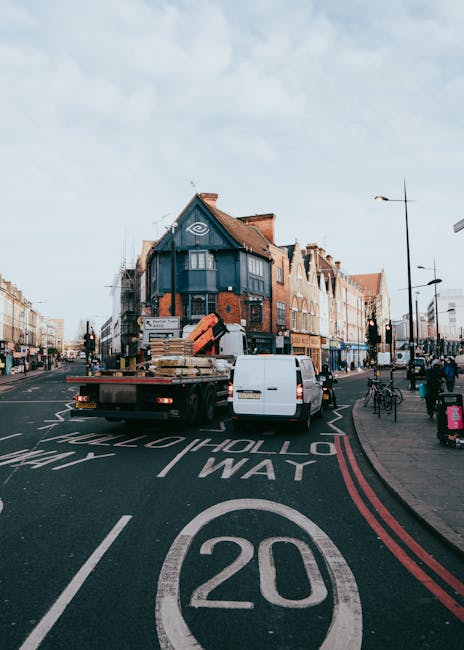
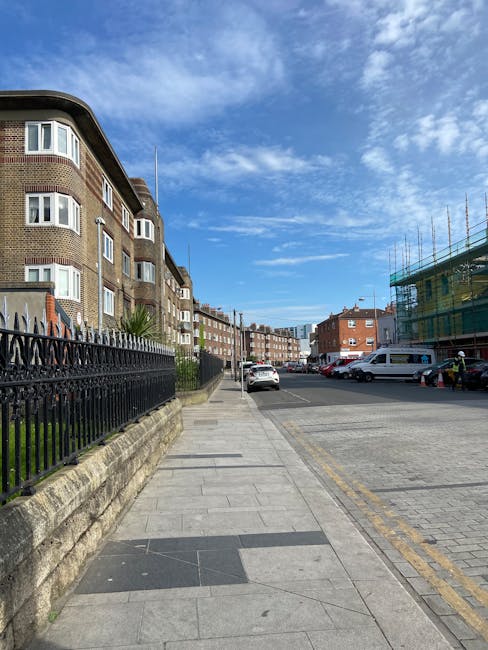
Barking Road flat removals tight access insider tips: a practical guide for awkward London moves
Moving out of a flat on or near Barking Road can feel straightforward on paper, then suddenly very not straightforward in real life. A narrow stairwell, a busy road, limited parking, a top-floor walk-up, a lift that barely fits a suitcase - and that's before you've tried turning a sofa around a stubborn corner. If you're searching for Barking Road flat removals tight access insider tips, you're probably dealing with one of those classic East London moves where planning matters more than brute force.
This guide pulls together the small, real-world things that make a big difference: how to measure access properly, how to protect your furniture, how to avoid parking headaches, and when to choose a flat removals service in East Ham rather than trying to improvise on the day. It's written for people who want a move that's calm, safe, and honestly a bit less chaotic. To be fair, that's what everyone wants.
Whether you're moving a studio, a shared flat, or a family-sized apartment, the same core idea applies: tight access doesn't have to mean a difficult move, but it does need a sharper plan.
Table of Contents
- Why Barking Road flat removals tight access insider tips matters
- How Barking Road flat removals tight access insider tips works
- Key benefits and practical advantages
- Who this is for and when it makes sense
- Step-by-step guidance
- Expert tips for better results
- Common mistakes to avoid
- Tools, resources and recommendations
- Law, compliance, standards, or best practice
- Options, methods, or comparison table
- Case study or real-world example
- Practical checklist
- Conclusion
- Frequently asked questions
Why Barking Road flat removals tight access insider tips Matters
Tight access is where a move stops being a simple "load the van and go" job and becomes a logistics problem. On Barking Road and the surrounding East Ham streets, you may be working with narrow hallways, shared entrances, basement steps, restricted waiting space, and road conditions that make double parking a bad idea at best. If you ignore those constraints, the move can slow down quickly, and sometimes the furniture takes the hit.
That matters for three reasons. First, safety: lifting large items through awkward spaces increases the chance of knocks, slips, and strained backs. Second, time: what should be a quick exit from a one-bed flat can stretch into a tiring, expensive day if the access plan is poor. Third, damage: walls, bannisters, doors, flooring, and your belongings all suffer when people are trying to "make it fit" in the moment. And let's face it, nobody enjoys discovering a fresh scratch on the end of a wardrobe after the van has already gone.
There's also a trust angle. If you're comparing services, you want a mover who understands East Ham conditions, not someone treating every job like a suburban driveway move. That's why the best results usually come from clear communication, accurate measurements, and a team that knows how to work around tight corners without drama. A useful starting point is reviewing the wider removal services overview so you can see how flat moves, van hire, packing help, and related services fit together.
How Barking Road flat removals tight access insider tips Works
The move itself usually follows a simple pattern, but each stage becomes more sensitive when access is tight. A good team will first assess the route: from the front door, through the hallway or stairwell, to the vehicle loading point. They'll look for pinch points, turning space, ceiling height, door widths, and any hazards like uneven paving or low railings. If something looks awkward, that's the time to spot it, not when the sofa is halfway through a landing turn.
In practical terms, the job often involves a few adjustments:
- choosing the right vehicle size for the road and the load;
- planning a parking position that keeps loading time short;
- using protective wrapping for corners, glass, and delicate finishes;
- breaking down furniture where possible;
- moving the heaviest items first while the route is still clear.
For many flat moves, a well-packed property makes the biggest difference. If you've already boxed and labelled your belongings, the team can focus on lifting and access instead of waiting around while you tape up last-minute boxes in the hallway. If that's your situation, it may help to use the practical advice in package your items and wait for us to come and the broader packing guide in packing essentials for a less stressful move.
When access is especially tight, the plan may also include staggered loading or a smaller vehicle rather than one oversized van. That can look less impressive on the street, maybe, but it often works better in practice. The point is to reduce friction, not to prove a point with a huge van parked across half the road.
Key Benefits and Practical Advantages
There's a real advantage to handling tight-access flat removals properly. It isn't just about convenience; it's about protecting the value of your belongings and reducing the stress that tends to build up when the clock is ticking.
Here are the main benefits you can expect from a properly planned move:
- Less damage risk: careful route planning reduces bangs, scrapes, and chipped paintwork.
- Faster loading: a clear access plan keeps the team moving instead of pausing to problem-solve at every doorframe.
- Better safety: fewer awkward lifts means less strain on everyone involved.
- Lower stress: you're not trying to improvise during the move itself.
- More accurate pricing: good access details make quotes more realistic.
For some items, the right handling is a benefit on its own. Sofas, beds, mattresses, and pianos all need slightly different techniques. A sofa might need blankets, straps, and a careful angle through the stairwell. A mattress needs bending awareness and clean handling. A piano is a different conversation altogether - if you have one, it's usually worth reading why piano moving is best left to the experts before you do anything else.
There's also a practical comfort factor. A move that starts with a sensible plan tends to end more smoothly. You're not hunting for keys, arguing with the parking bay, or standing in the street wondering where the second set of box cutters went. Small things, yes. But the small things are often where a move either holds together or gets messy.
Who This Is For and When It Makes Sense
This approach makes sense for anyone moving from a flat with limited access, but a few groups usually benefit the most.
- Top-floor walk-up residents: if you're on the third or fourth floor, the stairwell becomes part of the job plan.
- Tenants on busy roads: when parking is limited or loading space is tight, timing matters more than usual.
- People with bulky furniture: wardrobes, sofas, divan beds, and appliances are the usual troublemakers.
- Students and sharers: last-minute packing, shared corridors, and mixed ownership can complicate things.
- Small business owners working from home: if you're moving equipment, boxes, or office items, the route needs checking just as carefully.
If your move is modest but awkward, a smaller-scale option can be ideal. In fact, many people choose a man and van East Ham service or a more flexible man with a van option because it suits the reality of a narrow street and a compact flat. If you only need a few items moved, that can be much more efficient than arranging a full-scale operation.
This is also relevant if you need a quick turnaround. A same-day change of plan, a last-minute tenancy issue, or a delayed completion can all make tight access even more sensitive. If that sounds familiar, the article on same-day East Ham removals, cost and availability is worth a look.
Step-by-Step Guidance
Here's the practical version. Not theory. The actual sequence that helps a tight-access flat move go smoothly.
- Measure the access route. Measure doors, stair turns, lift openings, and any awkward angles. Don't forget the landing. That's where a lot of "it'll fit" optimism goes to die.
- Check parking and stopping options. Confirm where a van can legally and safely stop. On a road like Barking Road, this can be the difference between a clean load and a half-hour shuffle.
- Identify the bulky items first. Sofas, beds, wardrobes, fridge-freezers, desks - the big pieces define the whole plan. If the biggest item fits, the rest usually follows.
- Disassemble where sensible. Remove table legs, bed frames, and shelves if possible. Keep screws and fittings in labelled bags.
- Box and label everything clearly. Label by room and priority. "Kitchen fragile" beats "misc" every time.
- Protect the route inside the flat. Use covers, blankets, or floor protection where necessary, especially around corners and shared hallways.
- Load in a planned order. Heavier items first, lighter boxes later, and delicate items secured last. This saves time and reduces rehandling.
- Keep essentials separate. Documents, keys, chargers, medication, and one kettle if you're human - keep them close.
If you want the move to feel calmer, there's a useful mindset shift here: treat the job as a sequence of small decisions, not one huge stressful event. That's often the difference between a smooth day and a frantic one. And if you know you'll need help with the packing stage, decluttering like a pro can save time before the van even arrives.
A tiny but important point: if you're moving a freezer, fridge, or other appliance, plan ahead for safe preparation and transport. The guide on storing a freezer properly when unused is helpful if there's a gap between moving out and moving in. Small appliance details do matter.
Expert Tips for Better Results
Here are the insider tips that tend to separate a smooth move from a frustrating one.
- Send photos before moving day. A quick set of pictures of the stairwell, front door, hallway, and parking area can tell a mover more than a long message ever will.
- Measure the widest item, not just the room. A flat may be spacious, but your sofa does not care about square metres. It cares about corners.
- Use colour-coded labels. This is especially handy in shared flats where boxes can get mixed up fast.
- Reserve the cleanest route. If there are two possible exits, use the one with fewer turns, less clutter, and fewer chances of catching fabric on a door handle.
- Keep hallways clear for the final hour. The last 60 minutes before loading should feel like a runway, not a storage cupboard.
- Plan for weather. Rain changes everything in London. Wet paving, slippery steps, and damp boxes are not the vibe.
One thing people often forget: the most difficult item may not be the heaviest. A lightweight but awkwardly shaped object can be harder to carry than a heavier one if it twists through the stairwell badly. That's where experience counts. The lifting technique matters too, which is why a sensible approach to kinetic lifting and handling efficiency can make a real difference on the day.
And if you're doing a lot of lifting yourself, please don't be the hero with the dodgy back. There's a reason the article on conquering heavy lifts on your own focuses on method rather than bravado. Little joke aside, your spine will thank you.
Common Mistakes to Avoid
Most tight-access moving problems are predictable. The awkward part is that people still repeat them.
- Underestimating the stairwell. A quick glance is not a measurement.
- Assuming the van can stop anywhere. On a busy road, "somewhere near the door" is not a proper plan.
- Leaving packing too late. Last-minute packing leads to loose items, broken handles, and rushed decisions.
- Forgetting furniture dimensions after disassembly. A flat-pack bed may still be awkward in sectioned form if you don't plan the route.
- Not checking building rules. Some properties have shared access arrangements or move-in windows that affect timing.
- Ignoring item fragility. It's easy to treat every box the same. That's a mistake, especially with glassware, electronics, or items stored for a while.
The slightly less obvious mistake? Not telling the removal team about the hard bits because you think it will "sort itself out". It won't. If there's a narrow stair, a locked gate, a loading restriction, or a lift that's a bit temperamental, say so early. The best movers prefer bad news in advance to surprises at 8:15 in the morning.
If you're still choosing between providers, it can help to compare local removal companies in East Ham rather than picking solely on the lowest quote. Cheap and cheerful is great for sandwiches. Less ideal for wardrobes.
Tools, Resources and Recommendations
You do not need a warehouse full of specialist gear for a flat move, but the right basics make a huge difference.
| Item | Why it helps | Best used for |
|---|---|---|
| Removal blankets | Protects furniture from scrapes and knocks | Sofas, drawers, table edges |
| Ratchet straps | Keeps items stable during transit | Large furniture and stacked boxes |
| Heavy-duty tape | Secures boxes and wrapping | Packing and sealing |
| Furniture sliders | Helps with short moves across floors | Heavy units and appliances |
| Marker pens and labels | Makes unloading faster and more organised | All boxes |
For packing materials, a dedicated local supplier or service is often easier than rushing around the day before. The packing and boxes East Ham page is a good place to start if you need sturdy cartons, wraps, or advice on what to use for different room types. If you have bulky upholstered items, the sofa storage and care guide, long-lasting sofa care with pro storage techniques, is also a smart read.
For unusual timing needs, such as a delivery window that has to line up with building access or work schedules, the service note on delivery at the best time for you is worth checking. That sort of flexibility can remove a surprising amount of stress.
Law, Compliance, Standards, or Best Practice
For a domestic flat move, the main compliance concerns are usually practical rather than legal-heavy, but they still matter. Parking restrictions, access routes, and safe lifting standards all have to be respected. If you're stopping on a busy road, make sure the vehicle is parked legally and without creating a hazard. If a building has rules for moving in or out, follow them. If there's shared access, be considerate about noise and blocking doors.
Health and safety is the big one. Safe lifting technique, sensible team sizes, and a proper plan for heavy or awkward items are standard best practice in the removals industry. It's also wise to make sure you understand what insurance cover applies to the move and what is excluded. That sounds boring until something gets damaged, then it becomes very interesting very quickly.
If you want to review the company's approach to safe working, the health and safety policy and insurance and safety information are useful trust-building pages. For payment clarity, payment and security helps answer a lot of the questions people have before booking. And if you care about how waste and unwanted items are handled, the recycling and sustainability page gives a better sense of the company's broader responsibilities.
Options, Methods, or Comparison Table
There is no single best way to handle a tight-access flat move. The right method depends on what you're moving, how much you have, and how awkward the building is. Here's a simple comparison.
| Method | Best for | Pros | Watch out for |
|---|---|---|---|
| Full flat removals service | Whole-home moves with furniture and boxes | Most comprehensive support, less stress | May cost more than smaller options |
| Man and van | Smaller loads, quick local moves | Flexible, often ideal for tight streets | Requires clearer packing and planning |
| Same-day removals | Urgent changes, last-minute deadlines | Fast response, useful in time pressure | Availability can be limited, planning is still needed |
| Self-move with help from friends | Very small moves, low-budget situations | Can be cheaper | Higher risk of injury, delays, and damage |
For many Barking Road properties, the "best" method is the one that keeps the walk from front door to van as short and as predictable as possible. That may mean a smaller vehicle and careful scheduling. It may mean a fuller removals service with more hands. It depends, honestly, on the shape of the building as much as the size of the load.
If you want a better sense of how the company handles different move types, the removals East Ham and removal services East Ham pages are useful next steps.
Case Study or Real-World Example
Imagine a two-bedroom flat on a busy stretch near Barking Road. The property is on the third floor, there's no lift, and the biggest items include a sofa, a bed frame, two mattresses, a dining table, and several boxes of books. The first instinct might be to assume the move is "just a stairs job". That's the kind of assumption that makes people tired before lunchtime.
In a well-planned version of the move, the access is checked in advance with a few photos and measurements. The heaviest items are confirmed, the bed is dismantled, and the parking spot is planned so the van can load quickly. Boxes are labelled by room, with fragile items separated. One person is ready to guide furniture around corners, while another keeps the route clear. Nothing fancy. Just a clean sequence.
What usually makes the difference is the order of events. The sofa goes first if it's the awkward shape, not last when everyone's already exhausted. The mattress is protected properly so it doesn't catch on the stair rail. The table legs are removed before the team discovers the turn in the landing is tighter than expected. A few careful choices, and suddenly the move feels manageable.
That's the real insider tip, truth be told: the move is won before the van arrives.
Practical Checklist
Use this checklist the day before your move, or even earlier if you can.
- Measure doors, hallways, stairs, and any lift openings.
- Take photos of the access route and parking area.
- Confirm which furniture needs dismantling.
- Label boxes by room and priority.
- Pack essentials separately in one clearly marked bag or box.
- Protect mirrors, frames, glass, and polished furniture.
- Check building access times and any move-in or move-out rules.
- Arrange legal parking or stopping space where possible.
- Keep walkways clear inside the flat.
- Tell the removal team about anything awkward before the day.
- Set aside keys, documents, chargers, and medication.
- Prepare for weather if the route includes outdoor steps or open walkways.
If you want a calmer moving day overall, it also helps to read how to achieve a relaxed house move amid life's chaos and expert advice on cleaning before relocation. A clean, clear, properly packed flat is just easier to move. Simple as that.
Conclusion
Tight access on Barking Road doesn't have to turn your flat move into a nightmare. With the right measurements, clear communication, sensible packing, and a mover who understands London access challenges, the whole thing becomes far more manageable. The best Barking Road flat removals tight access insider tips are not flashy. They're the little decisions that prevent delays, damage, and stress.
If you remember just one thing, let it be this: plan the route as carefully as you plan the packing. That's where the win is. Everything else tends to follow from there.
Get a free quote today and see how much you can save.
If you're ready to talk through your move, start with the contact page and share the access details early. A few honest notes now can save a lot of scrambling later. And once it's done, you'll be standing in your new place with the kettle on, thinking, well, that went better than expected.
Frequently Asked Questions
What makes flat removals on Barking Road more difficult than other areas?
Usually it comes down to access and parking. Busy roads, narrower stairwells, older buildings, and limited stopping space can make loading and unloading slower unless everything is planned in advance.
How do I know if my furniture will fit through the stairwell?
Measure the widest part of each item and compare it with the narrowest part of the route, including corners and landings. Photos help too. If in doubt, ask the mover to review the measurements before moving day.
Should I dismantle furniture before a tight-access move?
Yes, where it is safe and practical to do so. Beds, tables, shelving, and some wardrobes are much easier to move in parts. Keep fixings in labelled bags so reassembly is less of a headache.
Is a man and van enough for a Barking Road flat move?
Sometimes, yes. For smaller flats or lighter loads, a smaller vehicle and a flexible team can be ideal. For full flats with bulky items, a more comprehensive removals service may be the better fit.
How far in advance should I book if access is tight?
As early as possible. Tight access needs more coordination, and early booking gives you time to share measurements, parking details, and any building rules that affect the move.
What should I tell the removals team before the move?
Tell them about stairs, lifts, parking, door widths, low ceilings, awkward turns, heavy items, fragile furniture, and any time restrictions. It's better to over-communicate than leave out the useful bits.
Can movers help with packing as well as lifting?
Many can, depending on the service you choose. If you want to prepare some items yourself and let the team handle the rest, guidance like package your items and wait for us to come can be useful.
What if I need a same-day move because of a deadline?
It may be possible, but availability can vary. Same-day removals are best handled by calling early and sharing the access details straight away, so the team can assess whether they can fit the job in.
How can I reduce the chance of damage during a tight move?
Use proper wrapping, clear routes, and good communication. Protect corners, dismantle furniture where sensible, and avoid rushing the last stage of loading. Most damage happens when people are trying to save time at the wrong moment.
Do I need special insurance for a flat move?
Not usually as a separate product, but you should understand what the removal provider's insurance covers and what it does not. Always check the terms before the move if you're handling valuable or fragile items.
What should I do with items I can't move straight away?
Use storage if there's a gap between properties or if you need to stage the move. The storage in East Ham page is a useful option if your move-out and move-in dates do not line up neatly.
How do I get the most accurate quote for a tight-access flat move?
Share the number of rooms, inventory highlights, access details, parking situation, and any bulky or awkward items. Photos and measurements make pricing much more accurate, which helps everyone.