Barking Road East Ham removals access solutions for tight streets
Moving on Barking Road in East Ham can feel straightforward on paper and a bit awkward in real life. The street is busy, parking is rarely generous, and access can change depending on the time of day, the exact property, and what sort of vehicle is trying to get close. That is why Barking Road East Ham removals access solutions for tight streets matter so much. They are not just a nice extra. They are the difference between a move that stays calm and one that turns into a slow, stressful shuffle with boxes, awkward corners, and a van stuck where it should never have been in the first place.
This guide breaks down what practical access planning looks like, how removals crews handle narrow roads and limited loading space, and what you can do before moving day to make everything simpler. If you are comparing options, it also helps to understand where services like man and van support, flat removals, and home moves fit into the picture. A little planning goes a long way, honestly.
Table of Contents
- Why Barking Road East Ham removals access solutions for tight streets Matters
- How Barking Road East Ham removals access solutions for tight streets Works
- Key Benefits and Practical Advantages
- Who This Is For and When It Makes Sense
- Step-by-Step Guidance
- Expert Tips for Better Results
- Common Mistakes to Avoid
- Tools, Resources and Recommendations
- Law, Compliance, Standards, or Best Practice
- Options, Methods, or Comparison Table
- Case Study or Real-World Example
- Practical Checklist
- Conclusion
- Frequently Asked Questions
Why Barking Road East Ham removals access solutions for tight streets Matters
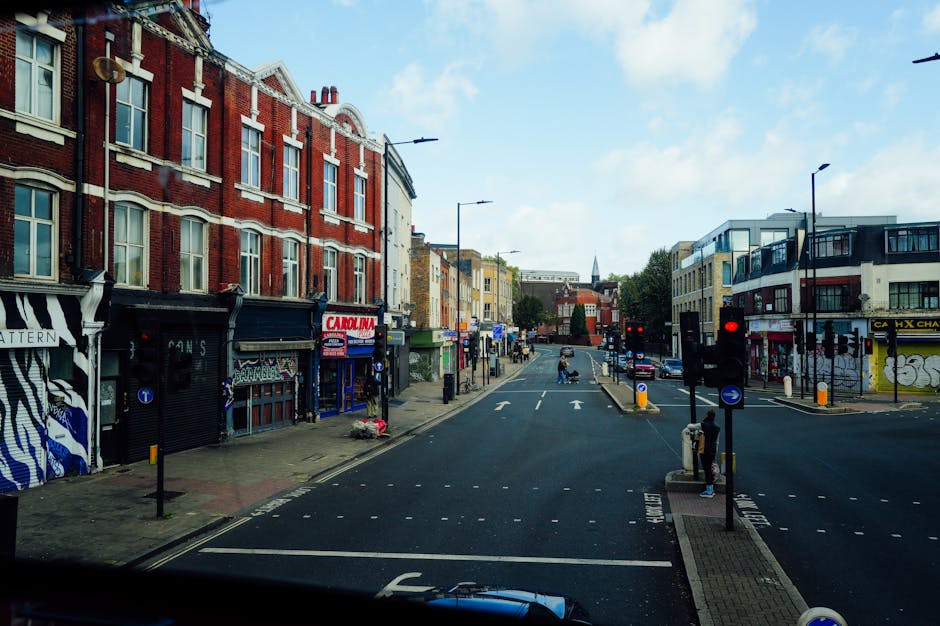
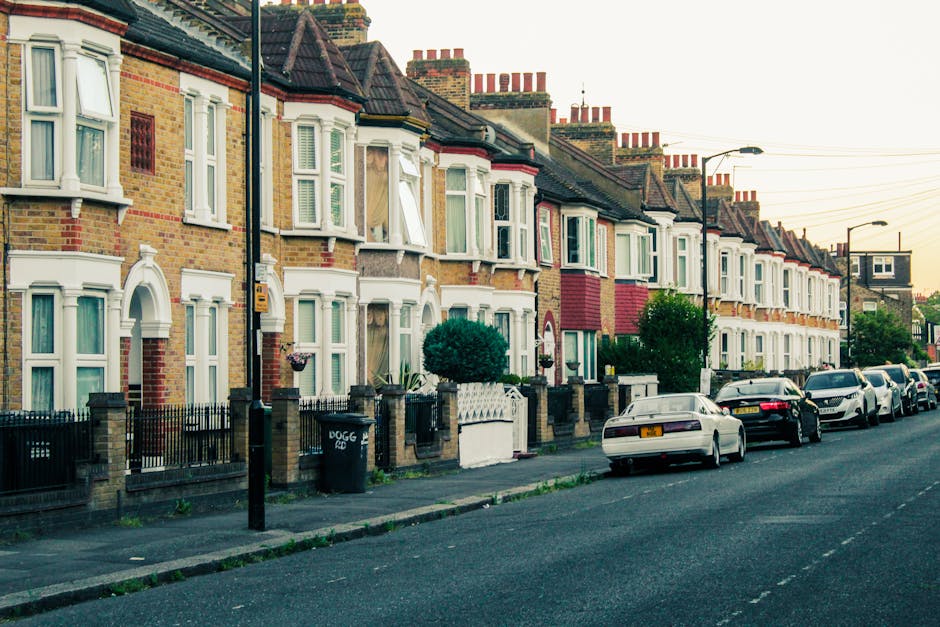
Barking Road sits in a part of East Ham where traffic flow, kerb space, and building layouts can all make a move more difficult than expected. You may have a terraced property set back from the road, a top-floor flat, shared access through a rear alley, or a loading area that vanishes the moment another car arrives. In practice, the issue is not just "Is there space for the van?" It is also: can the crew park safely, unload without blocking the road, and move items into the property without unnecessary lifting or risk?
That is especially relevant for anyone moving furniture, appliances, or boxes that are heavy enough to become awkward very quickly. A sofa may fit through the front door, but only if the route from vehicle to doorway is workable. If the vehicle is too large, the street too narrow, or the timing poor, even a simple move starts to feel like a relay race with no baton. Not ideal.
Good access planning reduces disruption for neighbours, pedestrians, and the movers themselves. It also lowers the chance of damage to walls, door frames, stair rails, and the items being carried. For properties with limited access, services such as removal services or removals are often more useful than trying to improvise on the day, because they allow for the right vehicle size, route planning, and handling approach.
Key point: tight streets are not only a parking problem. They are a planning problem, a safety problem, and a time problem all at once.
How Barking Road East Ham removals access solutions for tight streets Works
Access solutions are essentially the set of choices that help a move happen smoothly when the street, driveway, stairwell, or communal entrance is not generous. The process usually starts before the van arrives. A good mover will ask questions about the property, the road layout, and the type of items being moved. That may sound obvious, but you would be surprised how often it gets skipped until the morning of the move. Then everyone is staring at the same corner and wondering how the wardrobe is going to get out.
In a tight-street move, the service might use a smaller vehicle, a shuttle approach, a timed arrival, or a mixed crew size. For example, a smaller vehicle such as a removal van may be more practical than a larger truck where road width is restricted. In some cases, the better option is to park a little further away and use trolleys, straps, and short carry distances to keep things safe and controlled. A well-planned route from doorway to vehicle matters as much as the vehicle itself.
For busy stretches like Barking Road, timing matters too. Early morning, school-run periods, and peak traffic windows can all change how easy it is to stop safely. The best approach is usually a combination of:
- choosing the right vehicle size
- booking the move for a sensible time slot
- checking where loading is realistic
- preparing items so unloading is fast
- keeping walkways clear inside and outside
That is why people often pair access planning with packing support. If your move includes fragile, bulky, or badly balanced items, packing and boxes and packing and unpacking services can make a real difference. Neat packing reduces the number of awkward stops and reduces the chance of a box opening at the worst possible moment. We have all seen that kind of chaos. Better to avoid it.
Key Benefits and Practical Advantages
When access is planned properly, you gain more than convenience. You gain control. That is the bit people notice first. The move feels more orderly, and there is less of that frantic "where can we put the van now?" energy that tends to creep in on tight London streets.
- Less risk of damage: shorter, clearer carry routes mean fewer bumps against walls, banisters, kerbs, and parked cars.
- Faster unloading: if the access route is sensible, the crew can move continuously rather than repeatedly resetting position.
- Safer handling: fewer awkward turns and fewer long carries help reduce strain and slips.
- Better neighbour relations: a tidy, controlled move is less disruptive on a busy residential road.
- More accurate planning: the right vehicle and loading approach can be chosen before move day.
Another advantage is flexibility. For example, if a standard household move is not practical in a tight street, a smaller vehicle or a man with van style approach may be a more efficient fit. That does not mean "smaller" is always better, but it often means better access, less waste, and fewer headaches.
For some customers, access planning also improves cost predictability. Why? Because if the move can be done in a single clean run, there is less chance of time overruns or repeat trips caused by poor parking or blocked entry points. To be fair, no one likes surprises on moving day, especially not the expensive sort.
Who This Is For and When It Makes Sense
This kind of planning makes sense for a lot more people than you might expect. It is not just for "difficult" moves or unusually large homes. In East Ham, the reality is that many everyday moves involve shared entrances, side passages, narrow streets, limited curb space, or awkward stairs.
You are probably a good fit for access-focused removals if you are:
- moving from a flat above ground level
- living on or near Barking Road where parking is tight
- moving large furniture, white goods, or specialist items
- handling a same-day move with little room for delay
- moving with children, pets, or elderly relatives in the property
- relocating an office, studio, or small business premises
Students and renters often benefit too, especially when the move is a bit last-minute. A student removals service can be helpful if you are moving smaller loads but still need proper access planning because the road is cramped or the building access is fiddly.
Business owners should not ignore access problems either. Office furniture, archive boxes, and IT equipment need calm handling. Services such as commercial moves and office removals are particularly useful where the street layout or building access requires careful coordination with staff and building managers.
Step-by-Step Guidance
If you want the move to go smoothly, break it into manageable stages. It does not have to be fancy. Just organised. Here is a practical way to approach it.
- Assess the street and building access. Look at width, turning room, kerb availability, and whether there are corners, bollards, or tight entrances.
- Measure the awkward things. Sofas, wardrobes, beds, desks, fridges, and pianos tend to be the items that create surprises.
- Check the access route inside. Hallways, staircases, landings, and doorframes can be more restrictive than the road itself.
- Choose the right moving format. A larger vehicle is not always the answer. Sometimes a smaller van or a split-load approach is better.
- Prepare packing early. Label boxes, protect corners, and keep essentials separate.
- Clear the path. Make sure indoor access is free from bags, shoes, loose mats, and trip hazards.
- Confirm arrival timing. Aim for a window that avoids obvious congestion where possible.
- Leave a simple plan on the day. One person should know where things are going, even if the rest of the household is busy doing their best impression of organised panic.
For customers with storage needs, this step-by-step plan can be even more useful. If access is cramped and you do not want every item moved in one day, storage can help break the move into smaller stages. That can be a relief when the new place is not quite ready or you are still deciding what fits.
Expert Tips for Better Results
A few small decisions can save a lot of trouble. In our experience, tight-street moves improve massively when people treat access as something to be designed, not something to hope for. Hope is nice. Planning is better.
- Send photos in advance if possible. A quick picture of the street, entrance, and any awkward turns helps shape the vehicle choice.
- Keep the largest items closest to the exit. If the crew has to zigzag around boxes, everything takes longer.
- Use consistent box sizes where you can. It stacks better and carries better, which sounds simple because it is.
- Protect corners and edges. Tight access means more chance of scuffs, so use wraps and padding generously.
- Separate essentials early. Keep keys, documents, chargers, and first-night items out of the general pile.
- Plan for weather. A damp morning on Barking Road can make pavements slick, and wet cardboard is no one's friend.
If you are moving heavier household pieces, it may also be sensible to look at specialist options like furniture removals or piano removals where the handling method matters just as much as the transport itself. A piano down a narrow staircase is not the time for improvisation. Let's leave improvisation to the pub quiz.
Common Mistakes to Avoid
Most access problems are predictable, which is both annoying and useful. Annoying because the same mistakes happen again and again. Useful because once you know them, you can avoid them.
- Assuming a large van will always be better. Bigger vehicles can create more parking pressure and may be harder to position safely.
- Ignoring internal access. A broad road does not help if the hallway is too narrow for the wardrobe.
- Leaving packing to the last minute. Late packing creates clutter, stress, and wasted time on the day.
- Forgetting building rules. Some blocks and shared properties have specific access expectations or loading arrangements.
- Not measuring bulky items. If the item does not fit through the route, the crew may have to dismantle it or find another plan.
- Blocking the exit with random bags. It happens more than people like to admit.
Another common issue is not planning for a return trip. If the first run is only half the load, the second load should still be realistic in relation to parking and time. For that reason, services like same day removals can be helpful, but only if the access plan actually supports a fast turnaround. Same day does not mean same chaos. Well, not if it is done properly.
Tools, Resources and Recommendations
You do not need a lot of specialist gear to make a tight-street move manageable, but a few practical tools can help. The aim is to make lifting safer and carrying more efficient, not to turn the lounge into a warehouse.
- Furniture blankets and wrap: useful for protecting polished surfaces and tight corner turns.
- Straps and lifting aids: help steady heavier items and reduce the chance of an awkward slip.
- Stacking boxes: easier to move through narrow access than mismatched containers.
- Door-frame protection: valuable if your entrance is tight or heavily used.
- Trolleys or dollies: handy when the walk from van to door is short but the load is repetitive.
For some people, the best recommendation is actually a service blend rather than a single service. For example, a move may work best with man and van support, a smaller vehicle, and pre-packed boxes. Others may need fuller handling through house removals if there are stairs, furniture dismantling, or multiple access points to juggle.
If you want to understand how a provider approaches the practical side of moving, pages such as about us, health and safety policy, and insurance and safety can help you judge whether their approach feels careful and credible. That matters more than people sometimes think.
Law, Compliance, Standards, or Best Practice
For a local removals job, the most relevant compliance point is usually not some obscure rule. It is ordinary good practice: safe loading, sensible parking, respect for neighbours, and careful handling of items and people. In London, tight streets also mean being considerate about traffic flow and access around other vehicles, pedestrians, and entrances. A mover should avoid creating unsafe blockages or forcing risky manoeuvres in narrow spaces.
Where buildings have shared access, there may be site rules, management expectations, or time restrictions. These are not always formal legal requirements, but they are still important. In practice, following building instructions, using safe manual handling methods, and planning the loading point properly will prevent a lot of trouble. If there is a question around access, it is better to ask early than to assume.
Good movers also keep information clear about service terms, payment handling, and customer responsibilities. For that kind of reassurance, the company's terms and conditions and payment and security pages are worth reviewing before you book. If sustainability is a priority, it can also be helpful to look at recycling and sustainability so you understand how unwanted items or packing waste are handled.
Best practice is really a blend of care, timing, and communication. Nothing glamorous. Just solid, repeatable moving habits.
Options, Methods, or Comparison Table
There is more than one way to handle a tight-street move on Barking Road, and the best method depends on the property, the load, and how much access room you actually have. The comparison below gives a simple overview.
| Method | Best for | Advantages | Trade-offs |
|---|---|---|---|
| Small van access | Single flats, light moves, awkward streets | Easier parking, better manoeuvrability | May need more trips |
| Standard removal van | Typical household loads with moderate access | Good balance of capacity and flexibility | May still be awkward on very narrow roads |
| Shuttle loading | Restricted kerb space or blocked front access | Allows loading from a nearby safe spot | Takes more planning and time |
| Storage-first move | Staggered move dates or incomplete property handovers | Reduces pressure on one moving day | Adds another step to the process |
| Full-service removals | Bulky furniture, stairs, fragile loads | Less strain on the customer, better handling | Usually a larger commitment than a simple van hire |
For a lot of East Ham customers, the answer is not one method alone but a sensible combination. You might use a smaller vehicle for access, add packing help for speed, and keep storage as a back-up if the new place is not fully ready. That layered approach tends to work surprisingly well in busy London streets.
Case Study or Real-World Example
Here is a realistic example based on the sort of move that comes up often around Barking Road. A tenant is leaving a two-bedroom flat above a shop. The road is busy during the day, the front entrance opens directly onto a narrow pavement, and there is no proper driveway. The largest items are a bed frame, a sofa, a dining table, and several boxes of kitchenware. Nothing unusual, really, but the access is the whole story.
Instead of trying to squeeze a bigger vehicle into a bad position, the move is planned around a smaller van, a short loading window, and a quick route from the flat to the curb. The bed frame is dismantled before move day. Boxes are stacked by room. Fragile items are kept separate. Because the path is clear and the access is known in advance, the loading is calm rather than rushed. The crew does not need to keep re-parking, and the customer does not spend the morning checking the window every five minutes to see if the street has filled up. Much nicer.
What made the difference? Not luck. Preparation. The job was shaped around the access rather than forcing the access to behave like a wide suburban driveway. That is the real lesson for tight streets: work with the environment, not against it.
Practical Checklist
Use this checklist before moving day. It is simple, but it catches most of the things people forget when they are juggling keys, paperwork, and half-packed cupboards.
- Measure the main furniture and any narrow doorways or stair turns
- Take a quick look at parking and loading options on your street
- Decide whether a smaller van or full removals vehicle is more practical
- Pack and label boxes by room
- Dismantle bulky furniture where possible
- Clear corridors, hallways, and entrances
- Protect floors, corners, and delicate surfaces
- Keep essentials and valuables separate
- Check building rules or access instructions if you are in a flat or shared property
- Leave one person responsible for key decisions on the day
If there are items you do not want to move straight away, consider whether furniture pick up or furniture removals fits your plan better than a full household load. Sometimes the simplest choice is the right one.
Conclusion
Barking Road East Ham removals access solutions for tight streets are really about making a difficult environment manageable. Once you stop expecting the street to be easy and start planning for the reality of narrow access, busy traffic, and limited kerb space, the move becomes much more controlled. That is true for flats, houses, student moves, and small commercial relocations alike.
The main thing is to match the service to the access, not the other way around. Choose the right vehicle, pack with care, allow enough time, and keep the route clear. Those small decisions add up. And on a street where every metre matters, they make a very visible difference.
If you are preparing a move and want it handled with proper attention to tight access, smaller vehicles, and practical planning, take the next step with a provider that understands the realities of East Ham streets and treats the details seriously.
Get a free quote today and see how much you can save.
Sometimes the best move is not the fastest one on paper. It is the one that feels calm, careful, and just right when the boxes are finally in place.
Frequently Asked Questions
What are Barking Road East Ham removals access solutions for tight streets?
They are the practical methods used to make a move work on a narrow or busy street, such as choosing a smaller vehicle, planning loading points, and reducing carry distance from van to property.
Do I need a smaller van for a tight street move?
Often, yes. A smaller vehicle can be easier to park and position safely where road width or traffic makes a larger van awkward. The best choice depends on your load and the exact access.
How do movers handle parking on Barking Road?
They usually plan the route and arrival time carefully, then use the most practical safe loading spot available. In some cases, a short walk from the vehicle to the entrance is better than forcing a poor parking position.
Can I still move a sofa or bed if the street is very narrow?
Yes, usually. The key is measuring the item, checking the internal route, and deciding whether it needs dismantling or extra handling. Tight streets are a planning issue more than a deal-breaker.
Is access planning important for flat removals?
Very much so. Flats often combine stairs, shared entrances, limited parking, and awkward turns. Access planning helps keep the move safer and faster.
What should I measure before booking a removals service?
Measure your largest items, key doors, hallways, stair bends, and any entrance points that may affect how items are carried out. A few rough measurements can save a lot of guesswork.
Are same day removals suitable for tight streets?
They can be, as long as the access is straightforward enough and the packing is ready. If the street is busy or the building access is awkward, a same-day move may need tighter coordination.
What if my new home is not ready yet?
Storage can be a useful bridge. It lets you move in stages rather than trying to force everything into one day when access or timing is less than ideal.
Do office moves need the same kind of access planning?
Yes. Office furniture, IT equipment, and boxes all need a clear route and a sensible loading plan, especially on busy roads where time and parking matter.
How can packing help with a tight-street move?
Well-packed boxes are easier to carry, stack, and load. Good packing also reduces the chance of delays caused by loose items, awkward shapes, or fragile contents needing extra handling.
Should I worry about building rules or access restrictions?
Yes, if you are in a managed block or shared property. Even when there is no formal legal issue, building instructions and access rules can affect timing and vehicle positioning.
How do I know which removals option is right for me?
Think about your street width, parking options, item size, and how much help you want with packing or furniture handling. If in doubt, a smaller vehicle with professional support is often the safer starting point.