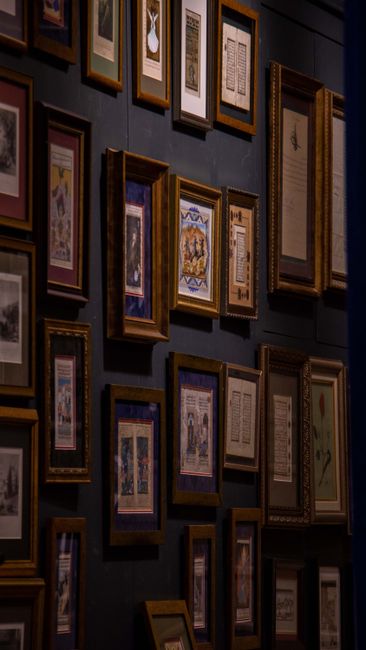
Antique and fine art removals East Ham specialist handling: a practical guide to moving valuable pieces safely
If you are moving something irreplaceable, ordinary removals logic quickly falls apart. Antique and fine art removals East Ham specialist handling is about more than lifting and loading; it is about preserving condition, provenance, finish, and peace of mind. A cracked frame, rubbed veneer, or a chipped ceramic base can turn a tidy move into a very expensive regret. And let's face it, nobody wants that feeling on moving day.
This guide explains how specialist handling works, why it matters, who needs it, and what good practice looks like in real life. You will also find a checklist, a comparison table, and practical steps you can use whether you are moving a single painting, a cabinet of antiques, or a mixed collection of fragile decorative items across East Ham and beyond. Where relevant, we will also point you to helpful planning resources such as packing and boxes in East Ham, insurance and safety guidance, and pricing and quotes so you can plan with a clearer head.
Table of Contents
- Why specialist handling matters
- How the removal process works
- Key benefits and practical advantages
- Who this is for and when it makes sense
- Step-by-step guidance
- Expert tips for better results
- Common mistakes to avoid
- Tools, resources and recommendations
- Law, compliance, standards, or best practice
- Options, methods, and comparison
- Case study or real-world example
- Practical checklist
- Conclusion
- Frequently asked questions
Why Antique and fine art removals East Ham specialist handling Matters
Antiques and fine art are not just "fragile items". They are often a mix of age, craftsmanship, unusual materials, and emotional value. A Victorian mirror might have a delicate gilded frame. A modern sculpture may look solid but have a weight distribution that makes it awkward to carry. A painting can be vulnerable to scuffs, temperature swings, and pressure from careless stacking. Specialist handling matters because these items can fail in ways that are not obvious until it is too late.
In East Ham, the practical challenge is often the environment around the move itself. Tight stairwells, on-street loading restrictions, short kerbside windows, and shared entrances can make a simple collection feel more delicate than expected. If a mover has to pivot an antique sideboard around a narrow hallway or bring a framed artwork through a compact flat, the margin for error is tiny. One rushed turn, one poor grip, one box with not enough structure - that's enough.
There is also the value question. Antique and fine art moves are usually not about raw weight; they are about consequence. A light object can still be high-value or highly vulnerable. That is why specialist handling tends to focus on method, not muscle. The real skill is understanding where pressure can be applied, where it should never be applied, and how to keep the item stable from first touch to final placement.
For many customers, the biggest reason is reassurance. You are not only hiring a vehicle. You are paying for judgement, sequencing, and care. Truth be told, that calm feeling matters as much as the straps and blankets.
How Antique and fine art removals East Ham specialist handling Works
Good specialist handling usually starts before anything is physically moved. The collection is assessed item by item, or at least by type: framed art, free-standing sculpture, antique furniture, mirrors, display cabinets, ceramics, and mixed-value pieces. This first look helps decide the safest packing method, how many handlers are needed, and whether any piece should be disassembled, wrapped separately, or moved in a particular order.
The next stage is protection. That typically means acid-free or surface-safe wrapping where appropriate, layered cushioning, corner protection, custom-size cartons, soft blankets, rigid outer boxes, and careful labelling. Not every antique should be wrapped the same way. For example, a polished wood surface needs different treatment from a canvas or glazed frame. If you wrap too tightly, you may create pressure marks. Too loosely, and the item can shift. It's a balancing act, really.
Loading comes next. Specialist teams think about vehicle placement, item stability, and weight distribution. Heavier, sturdier items may help anchor the load, while more sensitive pieces are placed where they will not be crushed or knocked by movement. Padding between objects is not decorative fluff. It is the buffer that prevents vibration damage on bumpy roads, especially with stop-start urban driving.
Transport should be smooth and deliberate. That means driving in a way that reduces sudden braking and sharp cornering, but also planning the route and timing to avoid unnecessary delays. If the moving schedule needs to align with access windows or building rules, a local team will usually build that in rather than treating it as an afterthought. For broader move planning, timed delivery planning can make a big difference when valuables are involved.
On arrival, specialist handling is not finished until placement is complete. Items should be brought into the property carefully, checked for visible movement or damage, and positioned where the customer wants them. A decent mover will not just dump an antique cabinet in the nearest room and call it done. You deserve a proper finish.
Key Benefits and Practical Advantages
The main benefit is obvious: lower risk of damage. But the practical value goes further than that. Specialist handling also saves time, reduces stress, and often avoids the hidden cost of an item being repaired badly, delayed, or replaced with something that never quite matches the original.
Here are the benefits readers usually notice first:
- Better protection for fragile finishes such as veneer, lacquer, gilding, gilded frames, and hand-painted surfaces.
- Reduced handling risk because the team uses the right carrying methods and padding sequence.
- Less chance of access damage in hallways, lifts, staircases, and doorframes.
- More confidence with mixed loads when art must travel alongside furniture, mirrors, or boxes.
- Improved planning for timing, parking, and loading constraints in East Ham.
There is also a less visible advantage: professional calm. When you know the team understands what can go wrong, the whole move feels easier. You stop hovering over every box, which, to be fair, is a relief for everyone involved.
If you are moving a house rather than a single item, it can also help to coordinate the specialist pieces with your general move. Resources like removals in East Ham, house removals in East Ham, and furniture removals in East Ham can be useful if your antique or fine art items are part of a wider relocation.
Who This Is For and When It Makes Sense
This service is for anyone moving items that are valuable, sentimental, awkwardly shaped, or difficult to replace. That includes private homeowners, collectors, landlords, interior designers, galleries, small businesses, and families handling inherited items with real emotional weight. It also makes sense if the item is not hugely expensive on paper but is impossible to replace because of age or provenance.
Ask yourself a simple question: if this item were damaged, would I be able to shrug it off? If the honest answer is no, specialist handling starts to look sensible rather than luxurious.
It is especially relevant when you have:
- antique tables, chairs, cabinets, or wardrobes with delicate joints
- framed paintings, prints, mirrors, or wall-mounted art
- ceramics, glasswork, or sculptural objects
- items with old varnish, crumbling surfaces, or loose fittings
- multi-item collections that need consistent protection and careful labelling
- tight access, stairs, or limited parking around the property
It is also worth considering specialist help if you are already juggling a complicated move. If time is short, or the collection must be packed and stored before final delivery, a solution such as storage in East Ham may help you avoid rushing the most delicate items.
Step-by-Step Guidance
Here is the practical version, the one that actually helps on moving day rather than looking nice in theory.
- Make a full item list. Write down dimensions, materials, condition notes, and anything loose or already fragile. A quick photo on your phone can be very handy later.
- Mark the high-risk pieces. Identify items that should not be stacked, tilted, or wrapped directly against rough material.
- Measure access points. Check door widths, stair turns, lift size, and hallway corners. One awkward angle can change the packing plan.
- Choose the right materials. Use sturdy cartons, wrap, blankets, tissue, corner guards, and tape that will not ruin the surface. If you need to source materials, packing and boxes in East Ham is a good place to start your planning.
- Protect surfaces before lifting. Glass, gilding, polished wood, and framed edges should be protected before anyone begins carrying.
- Load with a sequence in mind. The most stable items should help secure the load, while the most delicate pieces stay cushioned and isolated.
- Drive carefully and unload in order. Keep the same discipline at delivery, especially if items have to go to different rooms.
- Inspect before signing off. Check visible condition, corners, edges, and any packing that may have shifted during transport.
A quick real-world tip: if you have one particularly awkward piece, such as a heavy antique mirror or a shallow but very wide cabinet, plan the route through the property first. It sounds small. It isn't. The route is half the job.
Expert Tips for Better Results
Specialist handling often succeeds because the team avoids small errors that add up. Here are the habits that make the biggest difference.
1. Pack for movement, not just for storage. A piece might look secure in a room, but transport adds vibration, braking, and turn forces. Packaging should allow for a little controlled give without letting the item slide.
2. Never let hard surfaces touch bare finishes. A glossy lacquered edge pressed against a strap or box corner can be enough to leave a mark. It's annoyingly easy to miss.
3. Separate art from furniture where possible. Do not let a framed canvas ride against a heavy dining table leg just because they both fit. Different objects need different protection philosophies, if you like.
4. Use labelled orientation marks. "This way up", "fragile", and "do not stack" labels still matter because people get tired and busy. Good labels remove guesswork.
5. Avoid overpacking one box. Heavy mixed boxes are where good intentions go to die. Keep weight sensible and item categories consistent.
6. Give yourself more time than you think. Fine art and antiques always take longer than a casual move. Always. Rushing is how damage happens.
If the collection is part of a larger move, it helps to pair careful packing with a less frantic schedule. You may find advice like how to achieve a relaxed house move helpful for keeping the overall day under control.
Common Mistakes to Avoid
Most damage in this kind of move is not dramatic. It is mundane. A corner gets caught. A box is too loose. Someone assumes the item is sturdier than it looks. That sort of thing.
- Using the wrong wrapping materials. Not every paper or plastic wrap is safe for antiques or delicate paint surfaces.
- Stacking by size alone. Big does not mean strong, and small does not mean safe.
- Ignoring humidity or temperature sensitivity. Some artworks and antique materials react badly to damp or heat, especially if stored first.
- Leaving loose fittings unsecured. Handles, feet, glass shelves, and frames can shift during transit.
- Assuming a van load is enough protection. Without proper spacing and restraint, even a short journey can cause wear.
- Forgetting access planning. Parking, stair access, and lift timing can create pressure that leads to rushed handling. If you are moving in a busy part of the borough, the local guidance on parking and loading rules for East Ham removals is worth a look.
One more common mistake: telling yourself, "it'll be fine, it's only for an hour". That phrase has caused a fair amount of trouble over the years.
Tools, Resources and Recommendations
You do not need a warehouse full of specialist kit, but you do need the right basics. The goal is controlled protection, not overcomplication.
| Tool or material | Best used for | Why it helps |
|---|---|---|
| Acid-free tissue or soft wrap | Paintings, prints, decorative surfaces | Reduces surface contact and helps avoid marking |
| Corner protectors | Frames, mirrors, panels | Protects the most vulnerable edges during handling |
| Double-walled cartons | Smaller valuables or mixed fragile items | Offers more structure than standard boxes |
| Moving blankets | Cabinets, tables, sculptural objects | Prevents abrasion and cushions vibration |
| Straps and load restraints | Vehicle loading | Stops items shifting while the van is in motion |
| Clear labels and inventory sheets | All specialist items | Helps with sequencing, placement, and condition checks |
There are also some very useful planning resources for the wider move. If your antique or fine art pieces are part of a house move, you may find packing essentials for a stress-free house move and decluttering advice helpful for reducing pressure before the specialist work begins.
For operational planning, you may also want to review services overview and removal services in East Ham so you can see how specialist handling fits into the wider move. If timing is tight, same-day removals in East Ham may be relevant, though delicate items still deserve a calm and deliberate process.
Law, Compliance, Standards, or Best Practice
For this topic, the most important point is not to overstate certainty where it does not exist. Antique and fine art moves may involve insurance terms, handling expectations, packing quality, access permissions, and building rules. Those details vary by property, item, and provider. So the safest approach is to treat compliance as a bundle of best practices rather than a single rulebook.
In the UK, it is normal to expect a removals provider to work with sensible health and safety standards, clear terms, and appropriate care for customer belongings. For valuable items, you should also understand what is covered, what needs to be declared, and whether the packing method affects any claim outcome. That is why it helps to read terms and conditions, insurance and safety information, and if you value secure payment handling, payment and security details.
If access, parking, or council restrictions apply, those should be planned in advance rather than discovered on the day. That is not just good manners; it is a practical safeguard against rushed lifting and avoidable delays. You can also keep an eye on health and safety policy guidance and recycling and sustainability if you are disposing of old packing, wrapping, or redundant furniture as part of the move.
Options, Methods, and Comparison
Not every move needs the same level of service. The right approach depends on the item, the route, and how much risk you are willing to accept. Here is a simple comparison.
| Method | Best for | Pros | Trade-offs |
|---|---|---|---|
| Standard box-and-blanket move | Low-to-moderate risk items | Quick, efficient, economical | Not ideal for highly fragile or high-value pieces |
| Specialist padded handling | Antiques, framed art, mixed delicate items | Better protection, better placement, calmer handling | Needs more planning and careful loading |
| Collection plus storage | Moves with timing gaps or renovation delays | Gives flexibility and reduces rush | Requires secure storage planning and additional coordination |
| Dedicated item-by-item move | Very high-value or awkward pieces | Maximum attention and control | Usually the most time-intensive option |
If you are weighing up different local options, removal companies in East Ham and man with van in East Ham searches often represent different levels of service. A smaller vehicle-based move can suit simple access and fewer items, while antiques and art may justify a more carefully managed arrangement.
There is no one perfect method. But there is usually one method that is clearly safer. That is the one worth choosing.
Case Study or Real-World Example
A typical East Ham scenario might involve a flat move with a few valuable extras: a framed oil painting, a mahogany side table, two decorative mirrors, and a ceramic lamp inherited from family. Nothing absurdly huge. Just the kind of pieces that look manageable until they are in a narrow hallway with a parked van outside and a lift that is too small for comfortable manoeuvring.
In a case like this, the sensible approach is to separate the items by risk. The painting is wrapped and corner-protected, the mirrors are boxed upright, the lamp base and shade are packed separately, and the table legs are checked for looseness before any lifting begins. The team plans the order of movement so the most vulnerable pieces go first, while the heavier furniture is used to stabilise the rest of the load.
What makes the move go well is not speed. It is sequence. The handlers don't keep changing plans mid-way. They pause, measure, check, and then move. That may sound almost boring, but boring is good when you are dealing with old varnish and glass.
By the end, the customer gets the slightly odd but very satisfying feeling that nothing dramatic happened. And that is exactly what you want with antiques and fine art. The best outcome is often the quietest one.
Practical Checklist
Before moving day, run through this list. It is simple, but it catches a lot of preventable problems.
- Photograph each valuable item from multiple angles
- Record visible chips, marks, loose fittings, or existing wear
- Measure each item and every access point it must pass through
- Remove loose parts such as shelves, lampshades, or detachable legs
- Use suitable wrap, padding, and a rigid outer layer where needed
- Label fragile items clearly and keep them separate from general boxes
- Confirm parking, entry, and timing arrangements in advance
- Keep essential documents, keys, and contact details accessible
- Inspect items on arrival before the packing materials are fully discarded
- Set aside a clean, dry place for placement or temporary storage
If you are also handling a larger relocation, cleaning before relocation and advice on heavy lifts may help you get the rest of the move into better shape. Small wins stack up quickly.
Conclusion
Antique and fine art removals East Ham specialist handling is really about control, care, and good judgement. The right team protects the object, the route, the loading plan, and the customer's peace of mind. That matters whether you are moving one cherished painting or an entire collection of inherited pieces that have been in the family for decades.
What separates good specialist handling from ordinary removals is not just better wrapping. It is a better mindset. Slower where needed. More exact. Less casual. And, honestly, a lot less nerve-racking for everyone involved.
Get a free quote today and see how much you can save.
If you are ready to talk through a delicate move, you can start with contacting the team and explaining what needs moving, where it is going, and which pieces need the most care. A thoughtful plan now can save a lot of worry later, and that feels like a good trade.
Frequently Asked Questions
What makes antique and fine art removals different from normal removals?
They require more detailed packing, more careful handling, and better planning around loading, transport, and placement. The risk is often tied to finish, age, or irreplaceability rather than just weight.
Do I need specialist handling for one painting or mirror?
Often, yes, if the item is valuable, fragile, framed in a delicate way, or hard to replace. Even a single piece can justify a specialist approach if the risk of damage is high.
Should antiques be packed differently from modern furniture?
Usually, yes. Older pieces may have weaker joints, fragile veneers, or surface finishes that respond badly to abrasion or pressure. Modern furniture can be sturdier, but that does not mean it should be treated casually.
Can fine art be moved with furniture in the same van?
Yes, but only if the load is planned properly. Art should be protected from being crushed, rubbed, or shifted by heavier items. Separation and padding are key.
What is the biggest mistake people make when moving antiques?
Rushing. The second biggest mistake is assuming an item looks tougher than it is. A piece can look solid and still be vulnerable to vibration, pressure, or a bad corner turn.
How far in advance should I book specialist handling?
As early as you can, especially if you have multiple delicate pieces, access constraints, or a fixed moving window. More time means better planning and less chance of compromise.
Is storage a good idea for valuable pieces during a move?
It can be, especially if there is a gap between moving out and moving in, or if the destination is not ready. Just make sure the storage plan suits the item's condition and the time it will be held.
Do I need to measure doorways and staircases myself?
It helps a lot. Even approximate measurements can prevent bad surprises. If an item has to turn a corner or fit into a lift, the access route matters just as much as the item itself.
What should I tell the removals team before the job starts?
Tell them the dimensions, fragility, existing damage, loose parts, and any access issues. If a piece is especially sentimental or high value, say so plainly. That helps everyone take the right level of care.
Are there local issues in East Ham that affect these moves?
Yes, often parking, loading windows, stair access, and the layout of older flats or terraces. Planning around local conditions is part of what makes specialist handling worthwhile.
Can specialist handling help avoid insurance issues?
It can help because careful packing and documented condition checks make the move easier to assess if something goes wrong. Always read the policy and terms carefully, though, because cover depends on the exact arrangement.
What if my antique item is awkwardly shaped or too large for standard boxes?
That is exactly when specialist handling becomes most useful. Custom wrapping, padding, and loading strategy are often better than forcing a standard box solution that does not really fit.
How do I know if a mover is genuinely experienced with fine art?
Look for practical questions, clear explanations, and a careful approach to packing and access planning. A good mover should ask about condition, dimensions, and route before offering a solution. If they only talk about speed, I'd be cautious.